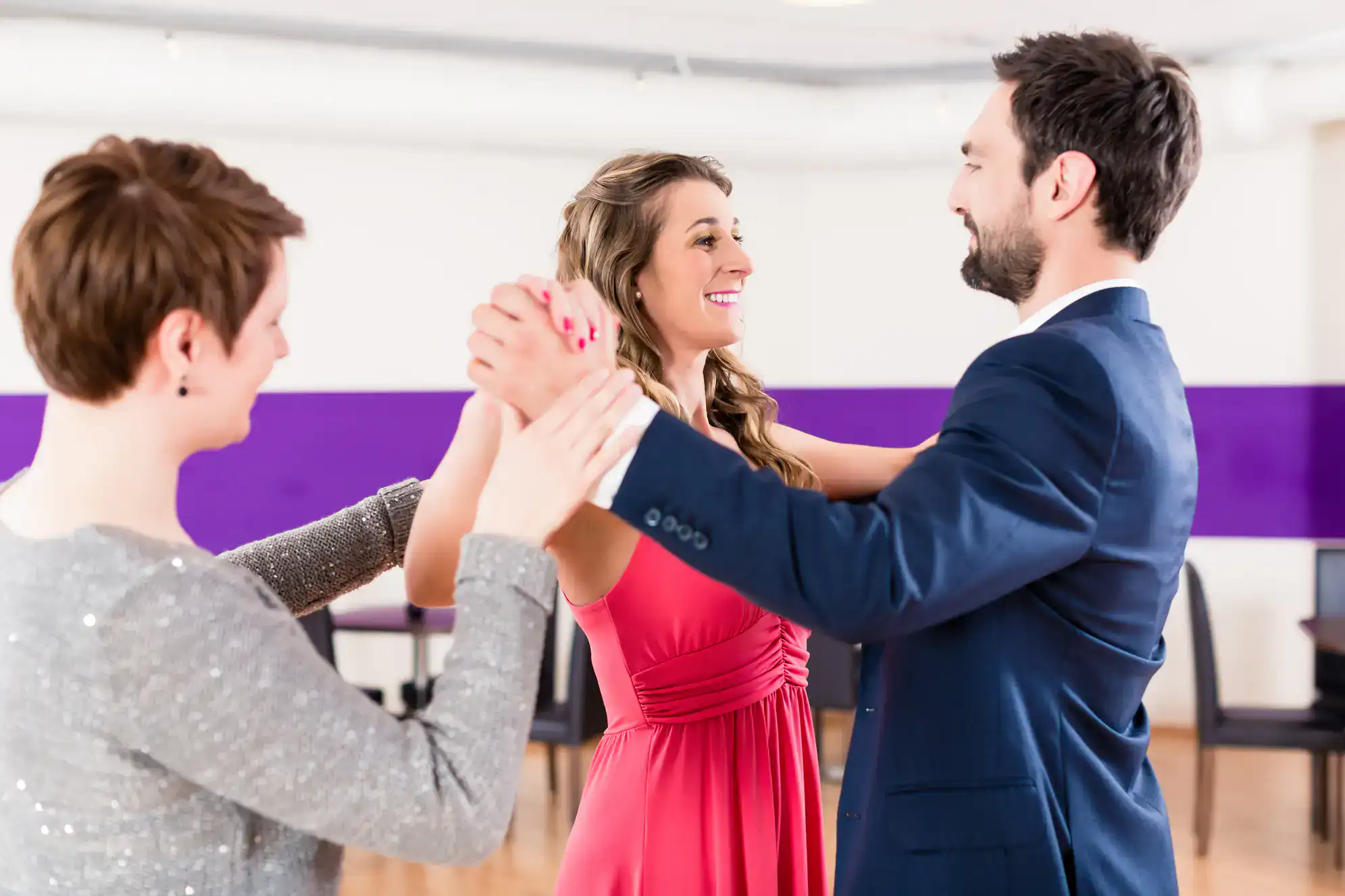
Weekend group classes workshops offer an intensive, beginner-friendly way to master new dance styles without months of commitment—perfect for busy Suffolk County dancers.

You’ve been thinking about learning to dance for months—maybe years. The idea sounds amazing, but committing to weekly classes for six months feels impossible with your schedule. Or maybe you’re worried about walking into a room full of people who already know what they’re doing while you’re still figuring out left from right.
Here’s the thing: weekend group classes workshops solve both of those problems. You get concentrated instruction in a short timeframe, surrounded by other beginners who are just as new as you are. No intimidation, no long-term commitment, just focused learning that actually sticks. Let’s walk through exactly how these workshops work and why they might be the fastest path from “I can’t dance” to “I’ve got this.”
Regular dance classes meet once a week for an hour. You learn something, go home, forget half of it by next week, and spend the first 15 minutes of the next class trying to remember where you left off. It works, but it’s slow.
Weekend workshops flip that model. You’re learning the same material, but compressed into two or three intensive sessions over a weekend. Friday night, Saturday afternoon, Sunday morning—whatever the schedule, you’re immersed in the same dance style for multiple hours in a short window. That repetition builds muscle memory faster because your body doesn’t have a week to forget what it just learned.
The other major difference is the group dynamic. Everyone in a weekend workshop starts on day one together. There’s no “catching up” to people who’ve been taking the class for weeks. You’re all beginners, you’re all learning the same steps at the same time, and that levels the playing field in a way that makes the whole experience less stressful and more fun.
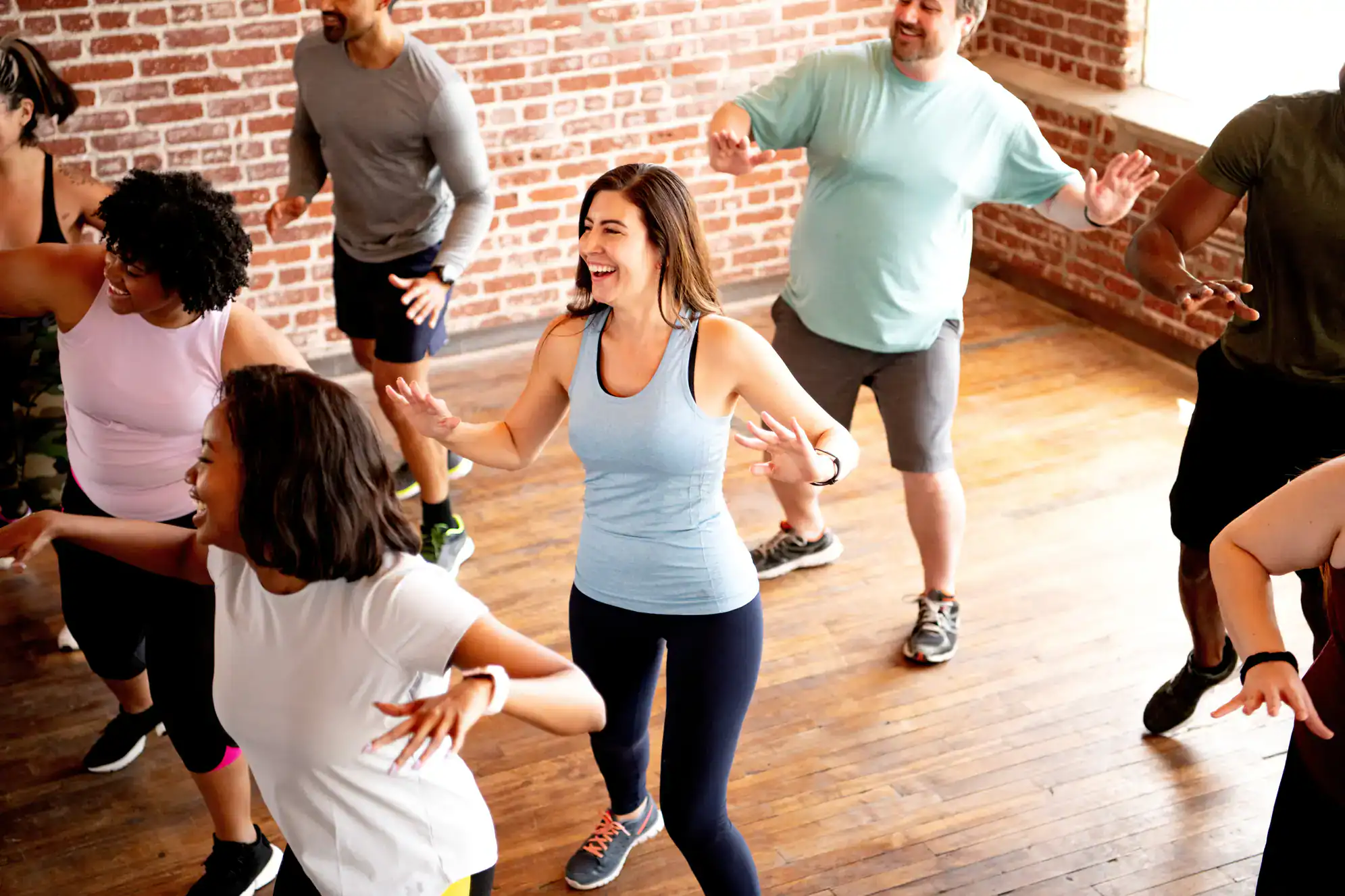
Most weekend workshops follow a pretty consistent structure, and there’s a reason for it—it works. You’ll typically start with a warm-up. Not a grueling fitness boot camp, just some light stretching and movement to get your body loose and your mind focused. Dance uses muscles you don’t normally think about, so this prep work matters more than you’d expect.
After the warm-up, your instructor introduces the foundational steps of whatever style you’re learning. Let’s say it’s Salsa. You’ll learn the basic step pattern, the timing, how to shift your weight. Everything gets broken down into bite-sized pieces. You’re not expected to nail it immediately—you’re expected to try it, mess it up, try it again, and gradually start to feel the rhythm.
Then comes partner work. If you came with someone, great. If you came solo, even better—you’ll rotate partners throughout the session, which actually speeds up your learning. Dancing with different people forces you to adapt, and that adaptability is what makes you a better dancer faster than sticking with one familiar partner the whole time.
The session wraps with a cool-down and usually some Q&A time. We know you’ll have questions, and workshops build in space for that. You’re not rushed out the door the second the music stops. You get to process what you learned, ask for clarification, and leave feeling like you actually understand what just happened.
Between sessions, your brain keeps working on what you learned. Even if you’re not actively practicing, your mind is processing those movement patterns. Then when you come back for session two or three, things that felt awkward on day one suddenly click. That’s the workshop advantage—compressed learning with just enough time in between for your brain to make sense of it all.
If you work full-time, have family obligations, or just value your weeknights, committing to a weekly class at 7 PM every Tuesday for three months can feel like a lot. You miss one week because of a work trip, another because you’re exhausted, and suddenly you’ve fallen behind. That’s not a failure on your part—it’s just reality.
Weekend workshops remove that friction. You block out one weekend. That’s it. You’re not juggling ongoing scheduling conflicts or trying to remember which Thursday is your dance night. You show up, you learn, you’re done. If you want to continue, you can take another workshop or transition into regular classes. But there’s no pressure to commit to months of weekly attendance before you even know if you like dancing.
This format also works well for people preparing for specific events. Got a wedding in six weeks and you want to feel confident doing more than a middle school sway? A weekend workshop gives you enough foundation to look good on the dance floor without needing months of prep. You learn a few solid moves, practice them intensively over a couple days, and you’re ready.
The condensed timeframe also means you’re less likely to overthink things. When you have a week between classes, you have a week to psych yourself out, convince yourself you’re bad at this, or talk yourself out of going back. With a weekend workshop, you’re in it before your brain has time to sabotage you. You learn, you practice, you improve—all before the doubt creeps in.
And here’s something people don’t talk about enough: workshops are easier to budget for. You pay once for the whole weekend instead of monthly tuition. You know exactly what you’re spending upfront. If you’re not sure whether dance is your thing, that one-time investment feels a lot less risky than signing up for a semester of classes.
Want live answers?
Connect with a Ballroom Factory Dance Studio expert for fast, friendly support.
Walking into your first workshop can feel nerve-wracking, but knowing what to expect helps. You’ll arrive, check in, and probably be directed to a dance floor with mirrors. Don’t panic about the mirrors—they’re tools, not judgment machines. We use them to help you see your own movement, and honestly, you’ll be too focused on your feet to worry about what you look like.
Most workshops start with introductions. Your instructor will explain what you’re going to learn, set expectations, and usually crack a joke or two to ease the tension. Everyone in that room is nervous, and we know how to acknowledge that without making it weird. You’re not walking into a performance—you’re walking into a learning experience designed for people who’ve never done this before.
Then the work begins. You’ll learn steps slowly, practice them, learn a few more, practice those. We break everything down to the point where it feels almost too simple, and that’s intentional. You need those building blocks before you can put together a full dance. Don’t rush it. If you don’t understand something, ask. That’s what you’re there for.
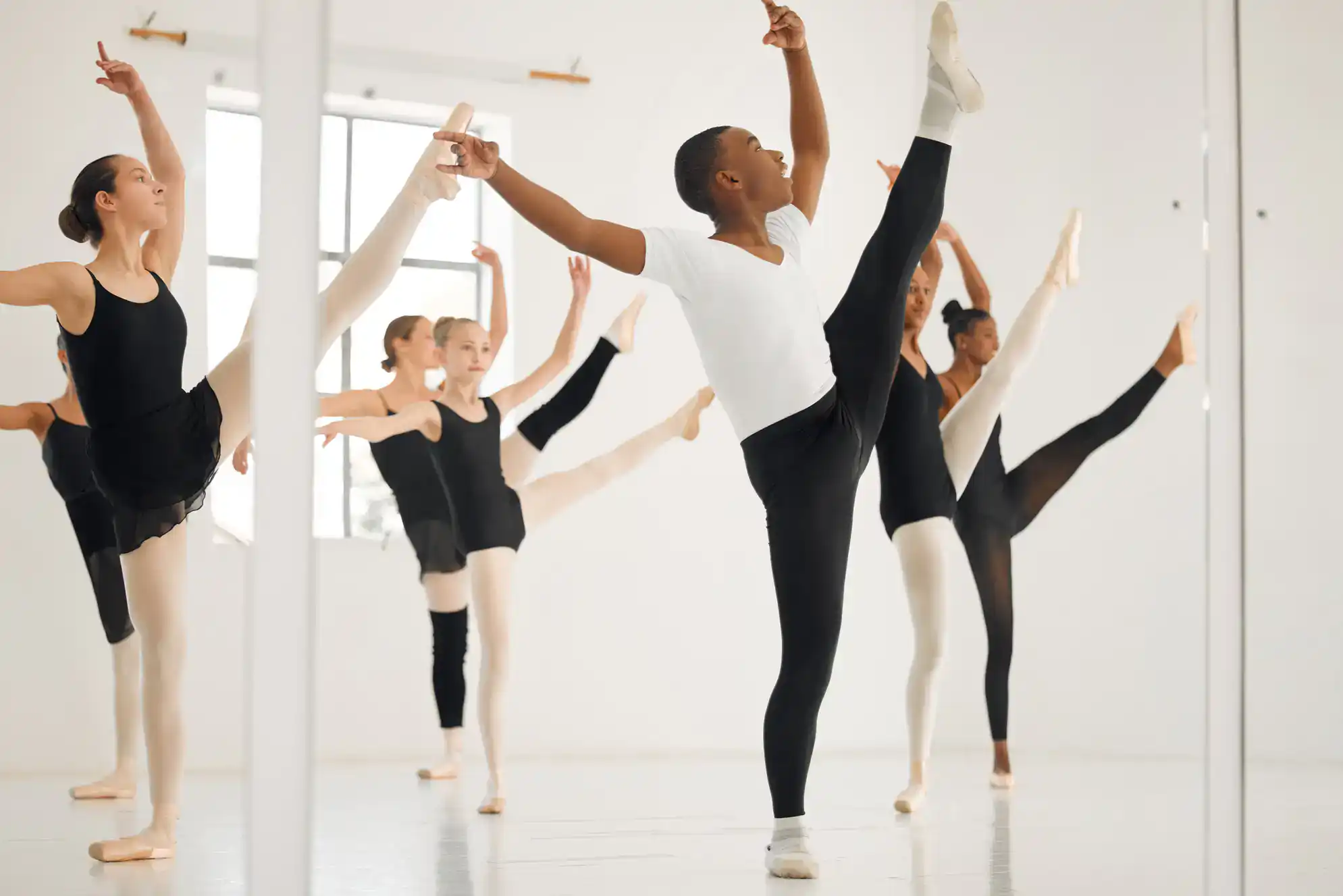
“I have two left feet.” You’ve probably heard this from someone, or maybe you’ve said it yourself. Here’s the truth: coordination is a skill, not a personality trait. Some people pick up movement faster than others, sure, but nobody is born knowing how to Cha-Cha. Everyone learns. The difference is whether you give yourself permission to be bad at something while you’re learning it.
Workshops are built for beginners. We’ve seen every type of learner—the ones who get it immediately, the ones who need extra time, the ones who mix up left and right, the ones who count out loud, the ones who close their eyes to feel the music. None of that is wrong. It’s all part of the process. You’re not expected to be good. You’re expected to show up and try.
“I don’t have a partner.” This stops a lot of people, and it shouldn’t. Group workshops are designed for both couples and singles. If you come solo, you’ll rotate partners during practice, which is actually better for learning. You get to experience different leads or follows, which teaches you to adapt instead of memorizing one person’s quirks. Plus, it’s a low-pressure way to meet other people who are also learning. Everyone’s focused on the steps, not on impressing anyone.
“I’m not in great shape.” Dance is exercise, but it’s not CrossFit. You’ll move, you’ll get your heart rate up, but workshops are paced for real humans, not athletes. We build in water breaks, and you’re allowed to sit one out if you need to catch your breath. The goal is to learn to dance, not to exhaust you. If you can walk up a flight of stairs without major issue, you can handle a dance workshop.
“What if I’m the worst one there?” You might be. You also might not be. Either way, it doesn’t matter as much as you think. Everyone’s focused on their own feet, not yours. And we don’t rank students—we help them. If you’re struggling with something, we’ll work with you on it. That’s literally our job. The only way to actually fail a workshop is to not show up.
Not all workshops are the same, and picking the right one depends on what you’re trying to accomplish. If you’re preparing for a wedding, you probably want a workshop focused on classic ballroom styles like Waltz or Foxtrot. These are elegant, easy to learn, and look polished even at a beginner level. You don’t need to master 12 different dances—you need to feel confident doing one or two really well.
If you’re more interested in social dancing—parties, clubs, events where people are just having fun—Latin styles like Salsa, Bachata, or Cha-Cha make more sense. These dances are upbeat, energetic, and designed for social settings. You can learn the basics in a weekend and immediately use them the next time you’re out with friends.
Some workshops focus on technique, others on choreography. Technique workshops teach you the mechanics—how to move your body, how to lead or follow, how to stay on beat. Choreography workshops teach you a specific routine. Both are valuable, but they serve different purposes. If you’re brand new, technique is usually the better starting point. Once you have the fundamentals, choreography becomes way easier.
Check the workshop description for level requirements. “Absolute beginner” means exactly that—no experience needed. “Beginner” sometimes assumes you’ve taken a class or two before. “Intermediate” is for people who already know the basics and want to level up. Don’t sign up for intermediate thinking you’ll push yourself. You’ll just end up frustrated and lost. Start where you actually are, not where you wish you were.
Also consider the time commitment. Some workshops are three hours on a Saturday. Others run Friday night, all day Saturday, and Sunday morning. Be honest about what you can handle. A longer workshop gives you more learning time, but it’s also more physically and mentally demanding. If you’re not sure, start with a shorter format and see how it feels.
You’ve finished the workshop. You learned steps, you practiced with different partners, you probably laughed at yourself a few times, and you walked out feeling like you actually know something. Now what?
Some people take workshops just for the experience—they wanted to learn a dance for a specific event, they did it, mission accomplished. That’s completely valid. But a lot of people finish a workshop and realize they want more. The good news is you have options.
You can take another workshop in a different style. If you just learned Salsa, maybe try Tango next. Each dance has its own flavor, and learning multiple styles makes you a more versatile dancer. You can also transition into regular group classes, which give you ongoing practice and refinement. Or if you want more personalized attention, private dance lessons let you work one-on-one with an instructor on specific goals.
The skills you learned in a workshop aren’t just for the dance floor. You’ll notice better posture, more confidence in social situations, and a sense of accomplishment that comes from learning something challenging. Those benefits stick with you whether you keep dancing or not.
If you’re in Suffolk County and you’re curious about what a weekend workshop could do for you, we offer group classes workshops designed for real beginners in a welcoming, supportive environment. You’ll learn from experienced instructors who actually care about helping you succeed, and you’ll be surrounded by people who are right where you are—ready to try something new.
Summary:
Article details:
Share: