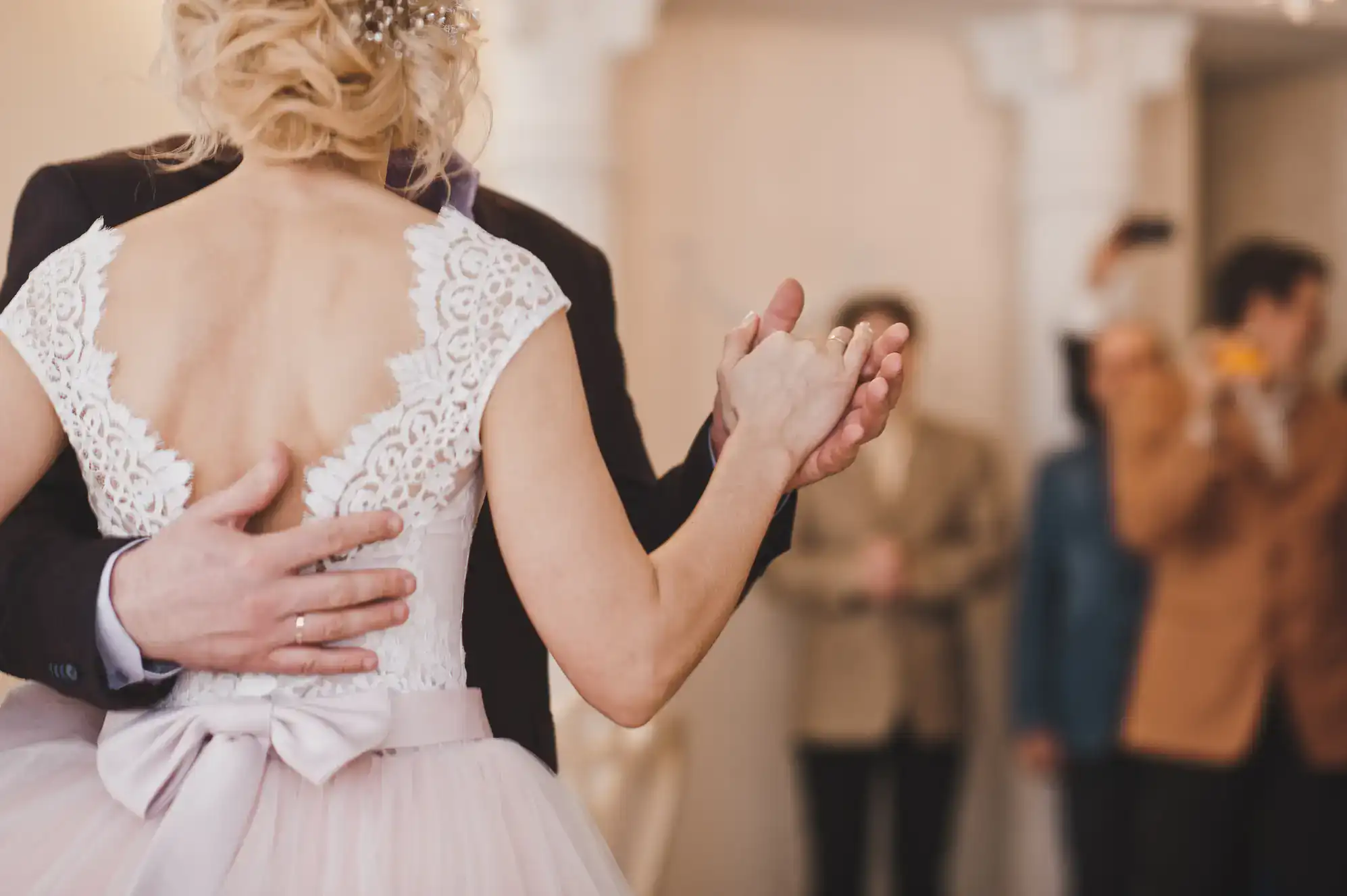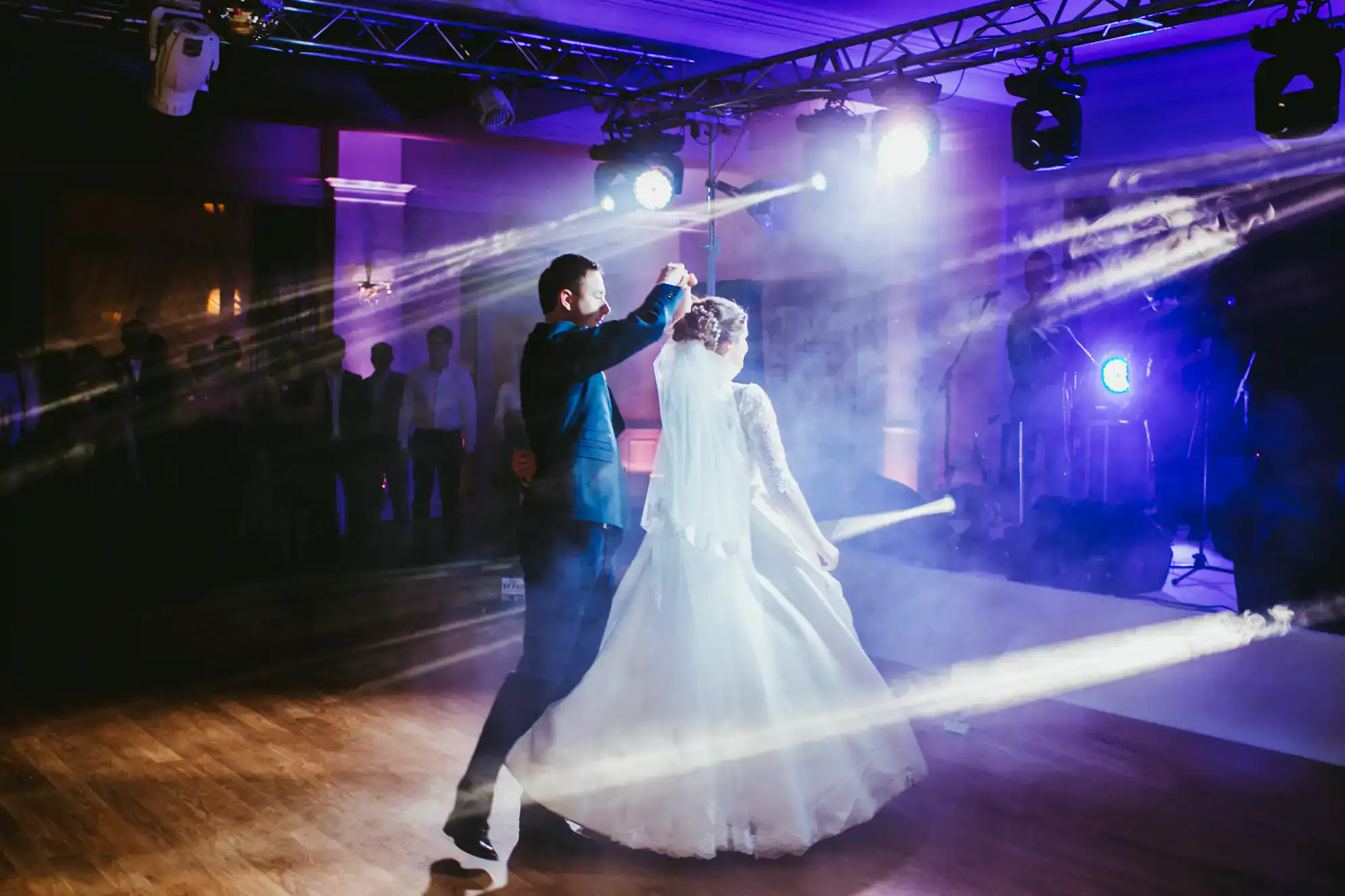
Your first wedding dance timing affects your entire reception flow. Here's how to coordinate with your catering hall schedule and feel confident on the dance floor.
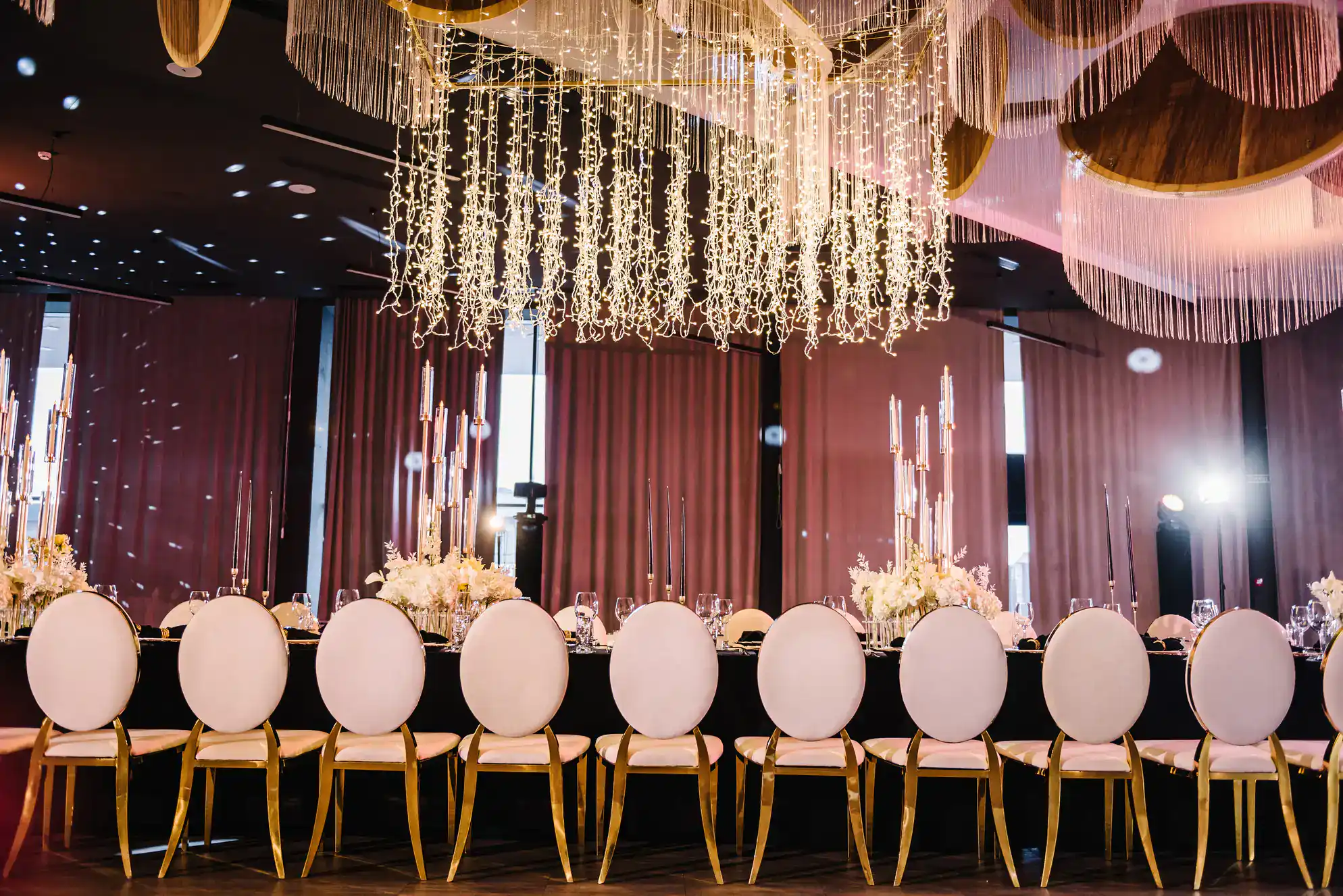
You’ve booked your catering hall in Suffolk County. The menu’s set, the timeline’s drafted, and then someone asks: “When are you doing your first dance?”
Suddenly you’re staring at a reception schedule that doesn’t make sense. Does the dance happen before dinner while guests are starving? After dinner when everyone’s too full to care? And what if you don’t actually know how to dance—do you just sway awkwardly for three minutes while 150 people watch?
Your first wedding dance isn’t just about choreography. It’s tied to your catering service, your DJ’s cues, your photographer’s positioning, and the entire energy of your reception. Get the timing wrong and you’re either rushing through cold food or killing momentum right when guests want to celebrate. Here’s what you need to know about coordinating your dance with your reception timeline—and how to feel prepared when the music starts.
There’s no universal rule, but two approaches work for most Suffolk County weddings.
Some couples transition straight into their first dance right after the grand entrance. You walk in as newlyweds, the applause is already going, and you move directly onto the floor. This keeps energy high and gets one of the bigger formal moments done early. Your guests are seated, focused, and ready to watch. It also means you’re fresh—hair and makeup still perfect, no three hours of greeting tables wearing you down.
The other approach is dancing after dinner and toasts. This creates a natural crescendo from the meal into the party. Guests are fed, relaxed, and emotionally engaged from the speeches. The first dance becomes the bridge between formalities and open dancing. Most wedding coordinators recommend this because it flows better and doesn’t feel rushed.

Your catering team isn’t just serving food—they’re managing the entire flow of your reception. And your first wedding dance timing directly impacts their schedule.
If you dance right after your entrance, catering staff can use that time to finish plating or setting up buffet stations. But if your dance runs long or you add parent dances immediately after, dinner service gets delayed. Cold food, impatient guests, and a backed-up timeline follow. That’s why most catering coordinators in Suffolk County prefer the first dance to happen after the main course, right as dessert prep begins.
Talk to your catering hall early about their preferred timeline. Some venues have strict service windows. Others are more flexible. But they all need to know when your first dance is happening so they can coordinate with the DJ and avoid serving salads while you’re mid-choreography.
Your photographer also factors in here. If you’re doing your first dance early, they’re still in documentary mode, capturing candid reactions and wide shots. If you wait until after dinner, they’ve usually finished family portraits and can focus entirely on you two. The lighting also tends to be better later in the reception when the room has transitioned from bright dinner lighting to softer dance floor ambiance.
The biggest mistake? Assuming the first dance “just happens” whenever it feels right. In reality, it’s a coordinated moment involving your DJ (who cues the music), your catering staff (who pause service), your photographer (who positions for the shot), and your coordinator (who makes sure everyone’s ready). Nail down the timing at least a month before your wedding and communicate it clearly to every vendor.
One more thing: your song length. Most first dances run between 90 seconds and 3 minutes. If you’re dancing right after your entrance, a shorter version keeps guests from getting restless before dinner. If you’re dancing after the meal, you have more flexibility to let the full song play. Just make sure your DJ knows whether to fade out early or let it ride.
Your first dance isn’t the only thing happening during your reception. You’ve also got toasts, parent dances, cake cutting, and potentially a bouquet toss or anniversary dance. How these stack up matters.
The most common flow: grand entrance, welcome toast, dinner service, maid of honor and best man toasts during or between courses, first dance after the main course is cleared, then parent dances (father-daughter and mother-son), then the dance floor opens to all guests. This structure spreads out the emotional high points and keeps people engaged without overwhelming them.
Some couples flip it and do their first dance right after the entrance, followed by a short dance set to get energy up, then sit for dinner. The advantage? You’re done with your big moment early and can actually relax and eat. The downside is that the energy dips once everyone sits down, and it takes effort to rebuild it later.
Parent dances usually happen right after the couple’s first dance. This makes sense logistically—the dance floor is already cleared, the DJ is ready, and guests are in “watching mode.” Trying to sandwich parent dances between dinner courses feels awkward and interrupts the meal. Grouping all the formal dances together creates a natural transition into open dancing.
Cake cutting typically happens about an hour before the reception ends. It signals to guests that the event is winding down, so don’t schedule it too early unless you want people leaving before you’re ready. Some couples cut the cake right after the first dance to keep momentum going, but this can feel rushed. Most coordinators recommend letting guests dance for a while, then bringing everyone back together for the cake.
If you’re working with a catering hall that has strict end times—common in Suffolk County due to noise ordinances—your timeline needs to be tighter. A five-hour reception might look like this: 30-minute cocktail hour, 15-minute grand entrance and seating, 60-90 minutes for dinner and toasts, first dance and parent dances, two hours of open dancing, then cake cutting and exit. That doesn’t leave room for delays, which is why wedding dance lessons matter.
Your DJ and catering coordinator should be in constant communication throughout the night. If dinner is running behind, your DJ can extend the cocktail hour music or add an extra dance set. If your first dance finishes early, catering can start clearing tables sooner. This kind of real-time coordination only works if everyone knows the plan ahead of time.
Want live answers?
Connect with a Ballroom Factory Dance Studio expert for fast, friendly support.
This depends on three things: your current skill level, how complex you want the choreography, and how much time you have before the wedding.
Most couples in Suffolk County take between 5 and 10 private dance lessons. If you’re complete beginners who’ve never danced together, plan for 8-10 lessons spread over 2-3 months. This gives you time to learn basic footwork, get comfortable moving together, and actually internalize the choreography instead of just memorizing it.
If you have some dance experience—maybe you’ve taken group classes or feel comfortable with rhythm—you can probably get away with 5-6 lessons. The focus shifts from teaching you how to move to polishing specific choreography for your song. You’ll still need to practice at home between lessons, but the learning curve is gentler.

The ideal timeline for starting private dance lessons is 8-12 weeks before your wedding. This gives you enough time to learn without feeling rushed, and enough proximity to the event that you won’t forget everything you practiced.
Starting too early—say, six months out—means you’ll need refresher lessons closer to the wedding because the choreography won’t feel fresh. Starting too late—less than a month before—adds stress during an already chaotic time and doesn’t give your body enough time to make the movements feel natural.
Two to three months out is the sweet spot. You can schedule weekly lessons without overwhelming your calendar, practice at home once or twice between sessions, and gradually build confidence. By the time your wedding arrives, the dance feels automatic instead of like something you’re performing.
If you’re working with us at Ballroom Factory Dance Studio, flexible scheduling makes this easier. Evening and weekend lessons fit around work schedules, and you can book your first consultation months in advance to lock in your instructor and timeline. Even if you’re not ready to start lessons yet, booking early ensures you get the time slots you want.
One thing couples underestimate is how much wedding planning ramps up in the final month. Between vendor meetings, family obligations, and last-minute decisions, finding time to practice your dance becomes nearly impossible. If you start lessons 8-10 weeks out, you’ll have most of your choreography locked in before the final crunch hits.
Also consider your song choice and complexity. A simple slow dance with basic box steps and a few turns can be learned in 4-6 lessons. A more dynamic routine with style changes, dips, or lifts might need 10-12 lessons plus extra practice time. We can assess this during your first consultation and recommend a realistic package.
Your first lesson typically starts with a consultation. You’ll discuss your song choice, your comfort level with dancing, any specific moves you want to include, and your overall vision. If you haven’t picked a song yet, we can help you choose something that matches your skill level and works well for choreography.
From there, you’ll learn the basic framework—how to hold each other, how to move together, and how to stay connected to the music. This foundational work matters more than you think. Most couples who feel awkward dancing together aren’t struggling with the steps—they’re struggling with leading and following. Once you understand that dynamic, everything else gets easier.
Subsequent lessons build on those basics. You’ll add specific moves, practice transitions, and start stringing everything together into a cohesive routine. We’ll adjust the choreography based on how quickly you’re learning and what feels comfortable. If a particular move isn’t clicking, we’ll swap it for something simpler. If you’re picking things up fast, we’ll add more flair.
At Ballroom Factory Dance Studio, we offer different lesson lengths and packages. A half-hour lesson works well for quick check-ins or practicing specific sections. Hour-long lessons give you more time to work through choreography and get feedback. Some couples do a mix—longer lessons at the start to learn the bulk of the routine, then shorter sessions closer to the wedding to polish details.
Practice between lessons is crucial. We’ll give you homework—usually running through the routine at home a few times per week. This doesn’t need to be formal. Put on your song, go through the steps, and get comfortable with the flow. The more you practice, the less you’ll have to think about it on your wedding day.
We also offer group classes and workshops that complement private lessons. These dance events give you a chance to practice with other couples, build your social dancing skills, and get comfortable on a dance floor in a lower-pressure environment. Some couples find that combining a few group classes with their private lessons helps them feel more natural and less rehearsed.
About three weeks before the wedding, you should have your final lesson. This gives you time to practice on your own and keep the choreography fresh without overthinking it. Some couples like to do a dress rehearsal where they practice in their wedding shoes (or similar heel heights) to make sure they can execute everything comfortably.
Your first wedding dance and your catering hall timeline aren’t separate pieces of your reception—they’re connected. When you schedule your dance affects when dinner gets served, when your photographer is ready, and how the energy flows throughout the night.
The couples who handle this best are the ones who communicate early and often with their vendors. Talk to your catering coordinator about their preferred timeline. Confirm with your DJ when they’ll cue your song. Make sure your photographer knows whether you’re dancing before or after dinner so they can position accordingly. And start your dance lessons early enough that you’re confident instead of cramming.
If you’re planning a wedding in Suffolk County, NY and want to coordinate your first dance with your reception timeline, we can help you create choreography that fits your schedule, your skill level, and your vision—without the stress.
Summary:
Article details:
Share: