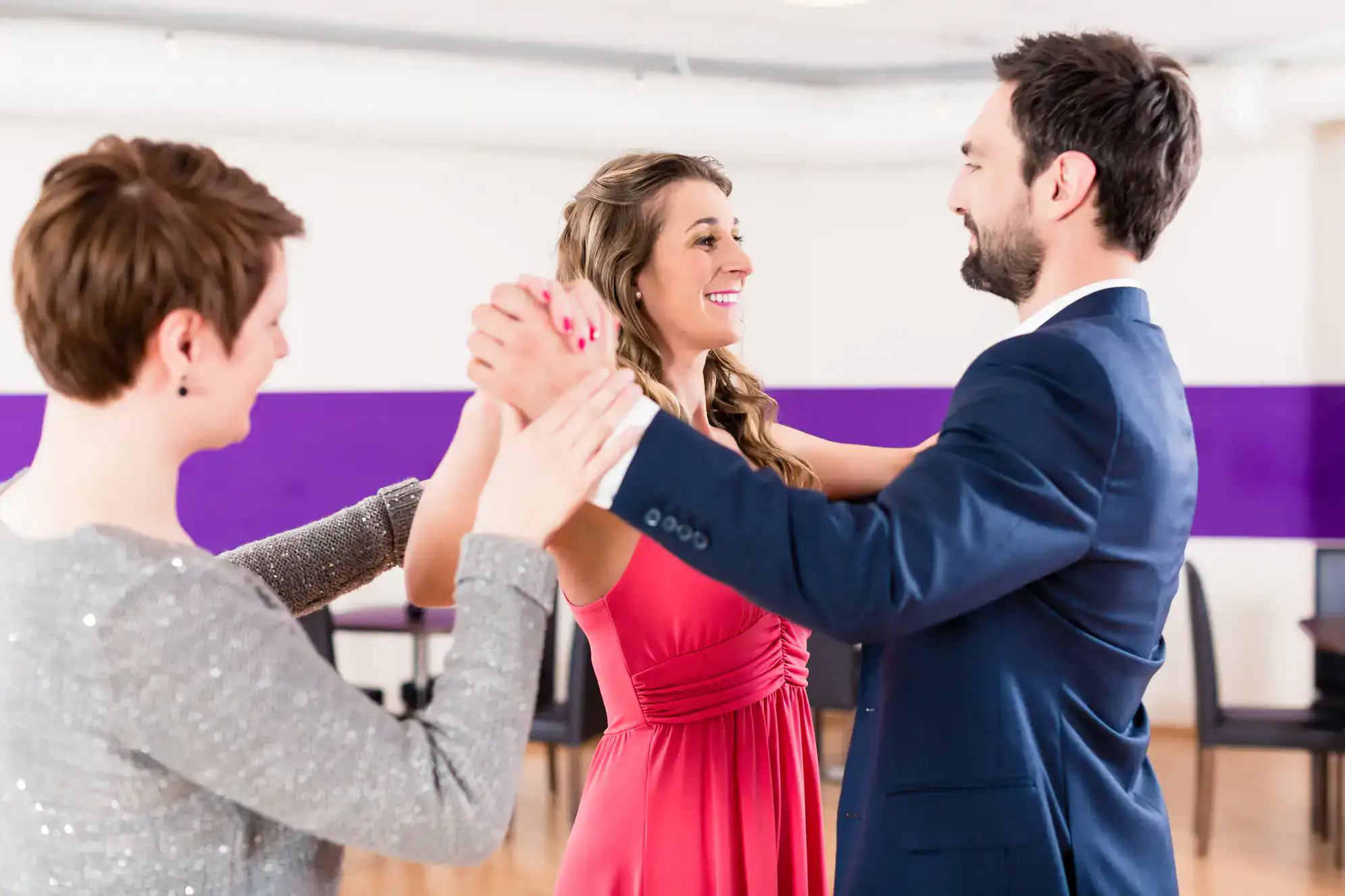
Looking to pick up new dance steps and meet fellow enthusiasts? Discover the benefits of our group classes workshop programs right here on Long Island.
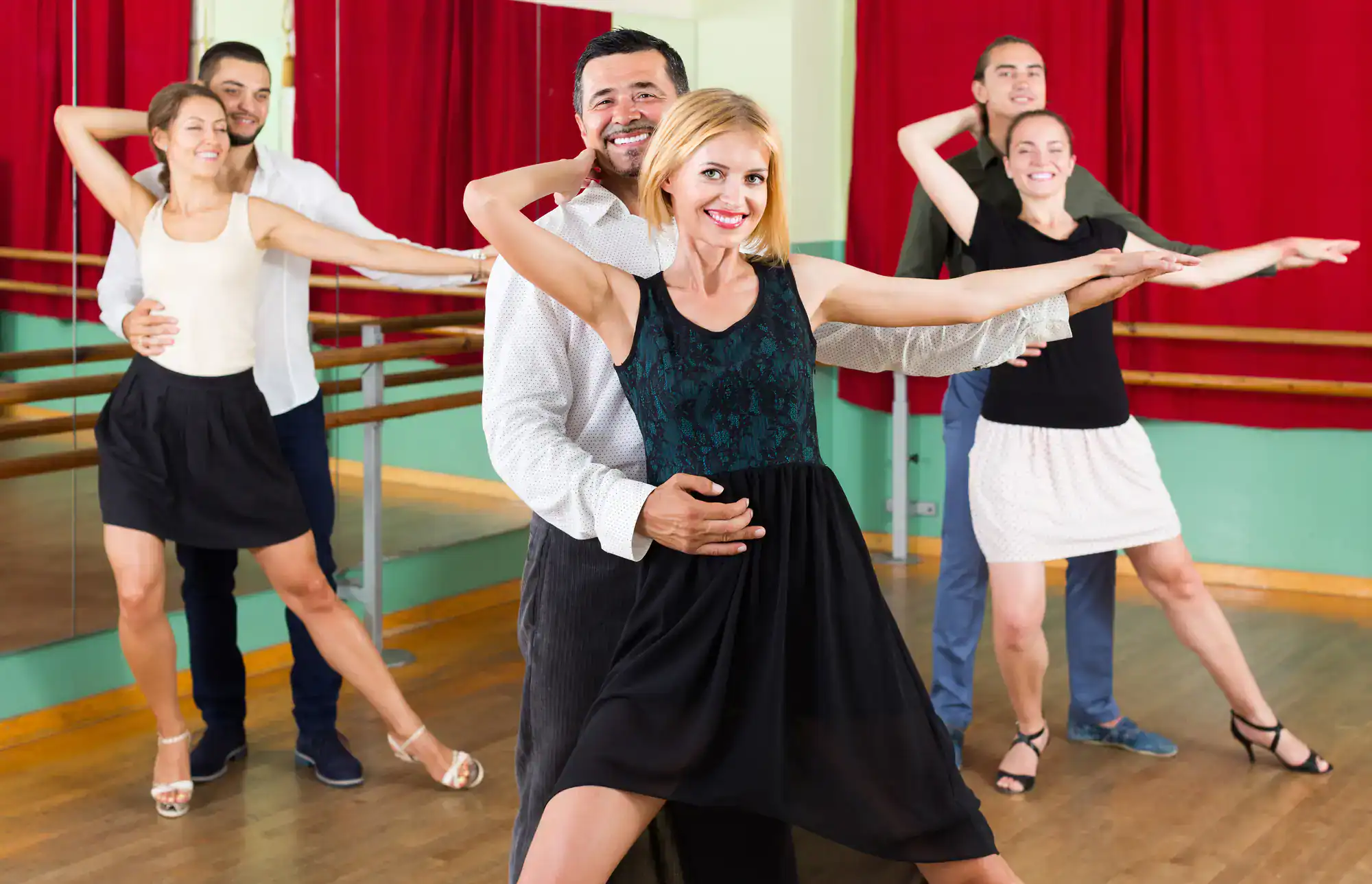
You have likely looked for hobbies that offer a great workout, a welcoming social scene, and a new skill you can actually use. A vibrant studio, lively music, a space where people gather to master rhythm and movement together. If you live in Patchogue, Islip, Smithtown, or anywhere across Suffolk County, you may also be wondering how to find group instruction that welcomes beginners and experienced dancers alike.
Fair question. The honest answer depends less on your starting skill level and more on the community atmosphere of the studio. Here is how we think about group learning across our service area, and the steps that keep you progressing toward your dancing goals.
Group learning covers a lot of ground. For most students around here, it comes down to a handful of priorities: learning foundational steps in a supportive environment, meeting fellow dancers who share your interests, and getting expert feedback from professional instructors. None of it happens by chance. These are experiences that make learning fun and rewarding.
We host classes and workshops across Long Island. After years of teaching dancers in this region, what we’ve learned is that practicing with peers matters more than natural talent. Pick a style, check the schedule, then join the floor.
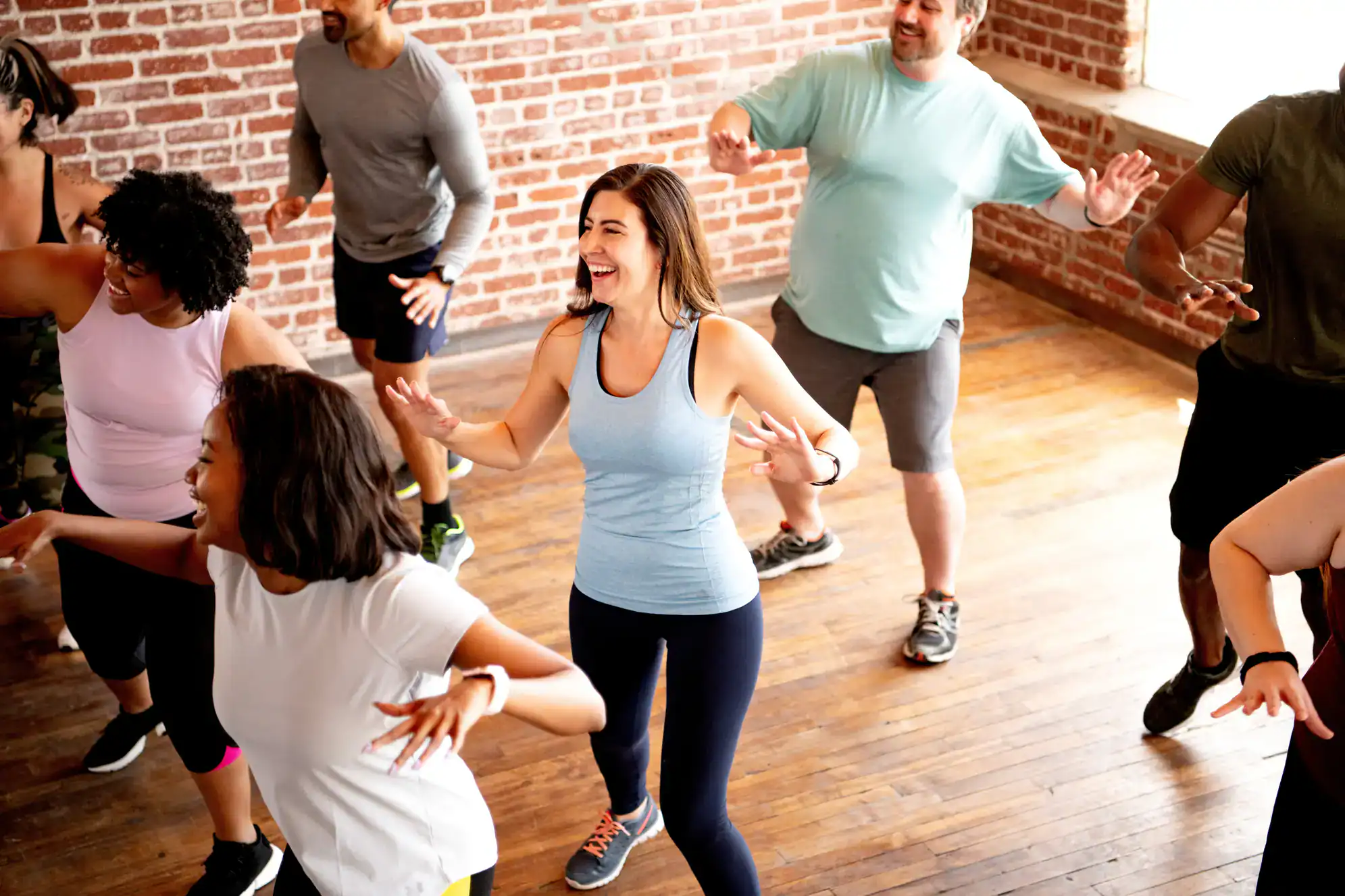
It will fit, but it may not offer the customized pacing of a private session. A group setting keeps everyone moving together. It cannot automatically focus on your personal technique the way a one-on-one lesson can.
A lot of studios across Patchogue, Islip, Babylon, and Brookhaven offer group programs, and while they carry wonderful energy, class size is sometimes the main consideration. Room capacity is the usual suspect. It encourages active participation, so your classmates enjoy dynamic energy well before the music ends. You can end up with a full room and a routine that needs steady focus. Some local venues on Long Island, including historic community halls, require specific planning for room layouts.
Pacing logistics are the other consideration we encounter. A fast-moving syllabus can challenge beginners, which is common when multiple skill levels share a floor. We always recommend reviewing the class descriptions carefully, and it is far better to pick the right level on your schedule than to struggle to catch up.
Social comfort plays a part too. Our studios across Suffolk County and the surrounding region accommodate various group sizes, so lighting and acoustics scale up nicely during evening sessions. In spaces with lively music, clear instruction is vital. If you are joining a popular workshop, as many local dancers do, professional coordination tends to run smoother.
Then there is the flow of the evening. A crowded lobby is a common reason for arriving late, and that stresses every student and instructor involved. Checking the start time is a small step that protects your entire lesson, and it is often the first thing we check before heading out to the studio.
A group workshop is a scheduled session you reserve near the spots that matter most for learning, such as a spacious studio floor with professional mirrors. When it runs successfully, it builds your repertoire seamlessly. Some programs also coordinate with private dance lessons, and industry insights suggest structured group learning is associated with a large drop in learning anxiety, as much as 88 percent according to dance education professionals.
We partner with local dancers and can walk you through what the workshop setup would look like for your specific skill level.
What a group class doesn’t do is replace individual attention. It provides the core instruction, and you still have to practice outside class to master every turn. It is also good at hosting the moments you’d otherwise struggle to experience alone. Most living rooms cannot accommodate partner rotation drills, and a spacious studio floor is exactly what group workshops require.
The numbers on why students bother joining classes are hard to ignore. Studio directors report that about one in four participants tries group dancing for fitness every year, averaging around several hours of active movement. A recent survey found that 75 percent of adults want to learn social dancing, yet only 30 percent know about the local group classes workshop options in their towns.
Some studios also offer monthly passes or workshop packages. Local management says more than a dozen group sessions operate in our area. We cannot promise your preferred time slot is open, so call before you go and ask about capacity. It is a five-minute call that applies when you are in Islip, Smithtown, or Huntington.
Want live answers?
Connect with a Ballroom Factory Dance Studio expert for fast, friendly support.
Attending a workshop doesn’t only mean showing up. The biggest quiet change in modern dance instruction is that we can combine group sessions with private lessons. A private dance lesson shows you what your frame looks like, and structured group classes build confidence instead of a blind pass at complex steps. You get a clear picture of your rhythm instead of a rushed turn and a hope.
Skill building works the same way. Calendar checks, shoe selection, and partner pairings all start with figuring out if you have a beginner workshop or an advanced series. Those two call for very different preparation, and early planning is often what tells them apart.
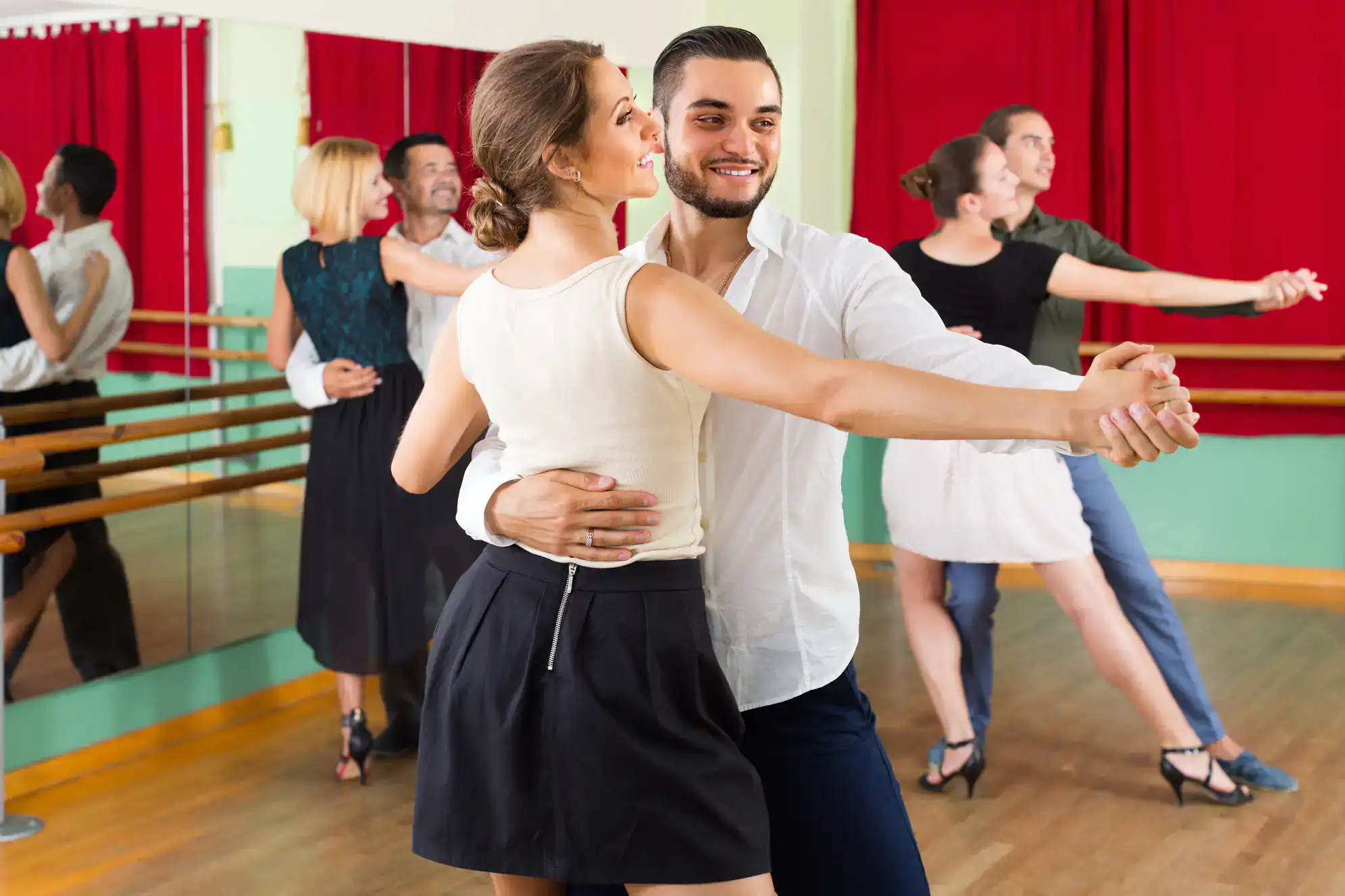
A studio workshop brings an enthusiastic group to your side so you can master the floor with encouragement. You can spot great posture, timing cues, friendly partners, or fun rhythm variations. You don’t have to guess how the routine will go, because you can practice your steps alongside welcoming peers. When a dancer keeps hesitating after practicing alone at home, this is usually where the real confidence shows up.
Solo practice builds basic footwork. That’s fine for casual listening. But if the floor is busy or new patterns keep creeping in, the dancer loses their footing and hesitation returns in public. Professional instruction scrubs the rough edges with expert feedback, which gets at the cause instead of the symptom. The right choice depends on what your goals are. Sometimes the honest answer is that you need group classes workshop sessions, not just casual solo practice.
Where you live changes how you learn. In neighborhoods on Long Island like Southampton, Garden City, and Manhasset, established social traditions and sophisticated tastes are a steady source of elegant dance socials. In the Suffolk County towns, around 45 inches of rain a year, mostly through the winter months, followed by pleasant summers brings residents indoors for vibrant indoor workshops and seasonal classes. The studio works the same in Patchogue or Riverhead. The only difference is what style of dance your evening calls for.
If the class calls for an unforgettable routine, we handle the preparation, including custom choreography when hitting every beat is the only way to wow the room.
They do. People assume living room practice gets a pass, but for high-energy workshops around Patchogue, Islip, Huntington, Smithtown, and Montauk, a lively studio crowd is enough to make anyone excited. Casual lessons aren’t immune either. Music plays as everyone dances, and the energy often shows up on the floor, when the spotlight starts to shine.
This is where expert guidance earns its keep, especially for community workshops and group sessions. If you’re stepping out in front of twenty peers, nobody notices your missteps except you and the music. A supportive instructor in the right studio can prep you before the doors open. Then you need someone who can polish your timing. Our workshop preparation services come with dedicated scheduling for exactly that situation.
Practicing your steps, knowing your favorite rhythms, and putting in a few hours of studio time will do more for you than any single shortcut.
Studio planning finds participants unprepared too. Professionals recommend checking class schedules at least a week in advance, and newer workshop packages add seating options, refreshments, and planning insights. We handle dance lessons, social choreography, and event preparation, including group coaching. It’s a great fit for some dancers and overkill for others, and we’ll tell you which one you are. Last-minute hesitation shortens the joy of learning, so bring that up when we talk.
If you’re already ready to dance, ask about scheduling a group classes workshop for your friends. We coordinate those too.
Studio planning works best when you check the schedule first, not last. Secure your spot for upcoming group classes workshop sessions and set the date, clear your calendar, then add private lessons to complete the experience. In Suffolk County and across our service area, that preparation matters more than it would in a casual setting, because of the popularity of the occasions, the high expectations for local instruction, and the desire for a seamless learning experience.
Contact Ballroom Factory at 631-202-8027 today to schedule your consultation and find out which group classes workshop packages make sense for your next step in dance.
Summary:


Article details:
Share: