Corporate mixers don't have to mean awkward small talk and forced networking. Interactive dance events are transforming how teams connect, creating genuine engagement that traditional formats can't match.

You’ve been to enough corporate mixers to know the pattern. People cluster with colleagues they already know. Small talk feels forced. An hour in, you’re checking your watch wondering when it’s acceptable to leave.
There’s a reason 95% of mixer attendees say they want to meet new people, yet research shows they spend half their time with existing contacts. Traditional formats don’t actually facilitate the connections they promise.
Interactive dance events are solving that problem. Not because they’re trendy, but because they fundamentally change how people engage. When your team learns choreography together, hierarchy disappears. Communication becomes essential. And the skills you build—coordination, trust, reading nonverbal cues—transfer directly to how you work together.
Here’s why companies across Suffolk County, NY are making the switch, and what you need to know before planning your next event.
The difference isn’t just about adding entertainment to your event. It’s about fundamentally changing how people participate.
Traditional mixers put people in a room and hope networking happens. Interactive dance events give everyone a shared challenge that requires actual collaboration. You’re not making small talk about the weather. You’re figuring out timing, coordinating movement, and succeeding together.
Research on 2026 event trends confirms what many planners already suspected: attendees don’t want to be spectators anymore. They want to shape the experience, not just consume it. Dance delivers that in a format that works for teams of any size, from intimate groups of 30 to larger gatherings of 150 or more.
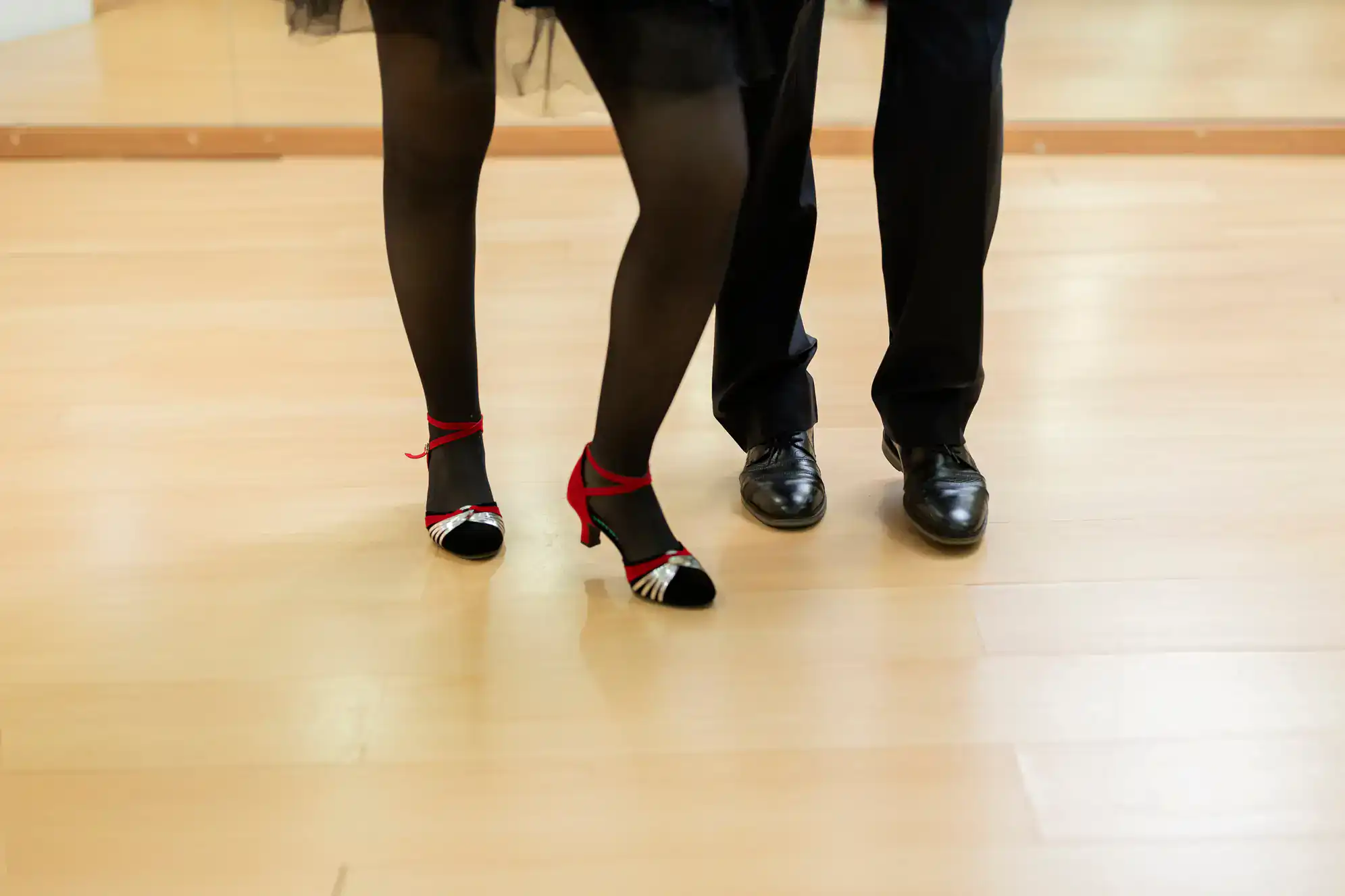
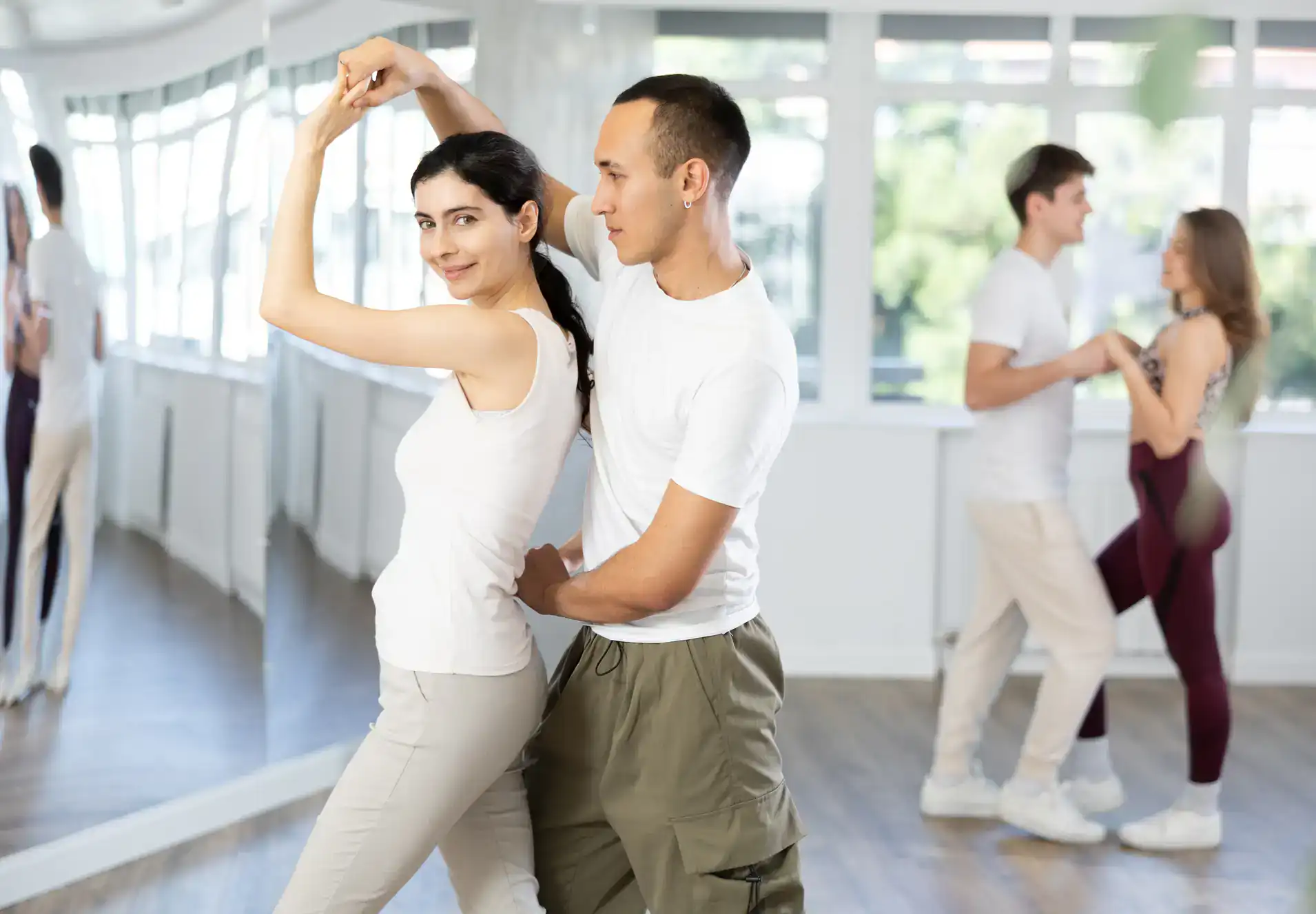
When your marketing team and your operations team learn salsa together, something interesting happens. The usual office dynamics don’t apply.
Dance requires synchronization. You have to pay attention to timing, movement, and the people around you. There’s no faking it—either you’re coordinating with your partner or you’re not. That immediate feedback creates a learning environment where communication becomes essential, not optional.
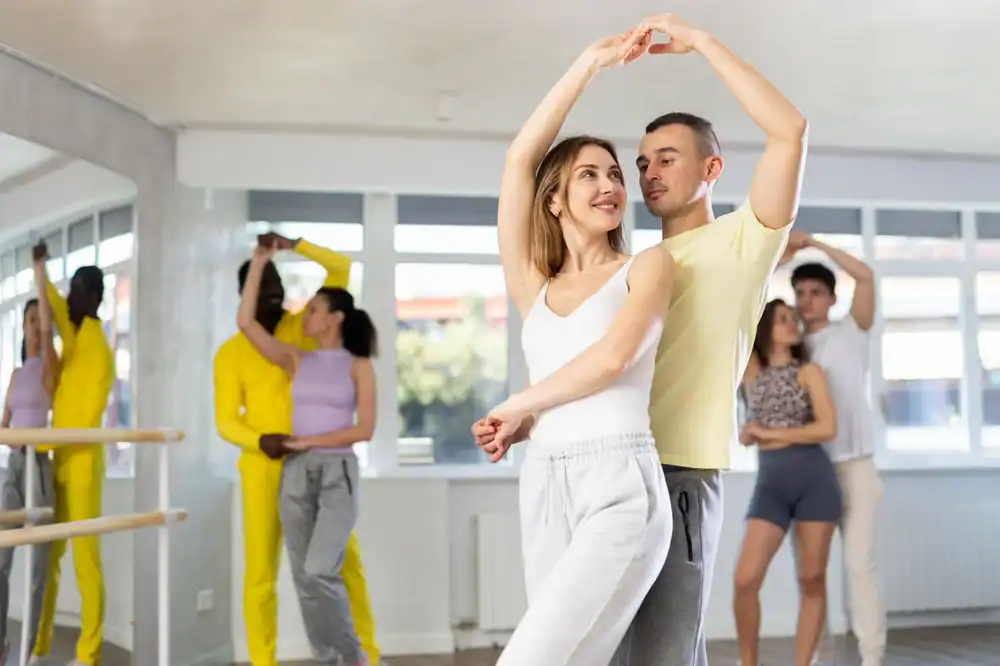
Team building dance workshops work because they teach collaboration through action, not theory. Your team isn’t sitting through another presentation about the importance of communication. They’re actually communicating, in real time, to achieve something together. When someone struggles with a step, the group naturally adapts. When someone gets it right, everyone benefits.
The skills transfer too. That ability to read nonverbal cues, adjust your approach when something isn’t working, and coordinate with others toward a shared goal? Those same capabilities show up in project meetings, client presentations, and cross-departmental collaboration. You’re not just learning dance steps. You’re practicing the mechanics of effective teamwork in a format where the stakes are low but the lessons stick.
Suffolk County companies using dance for corporate events report noticeable improvements in team communication, often months after the event. The reason is simple: you can’t synchronize a dance routine without developing trust, patience, and the ability to give and receive feedback constructively. Those aren’t abstract concepts. They’re practical skills your team uses every time they work together.
Here’s what actually happens at most corporate mixers. People arrive with good intentions. They want to expand their network, meet new colleagues from other departments, maybe make connections that lead to future opportunities.
Then comfort takes over. It’s easier to talk to the person you already know. There’s no risk they won’t get your jokes or that the conversation will be awkward. So despite the explicit goal of meeting new people, guests spend a disproportionate amount of time with existing contacts. The research is clear on this: traditional mixer formats don’t maximize networking opportunities. They just create an environment where networking could theoretically happen.
The problem isn’t that people are lazy or antisocial. The problem is that traditional mixers don’t give people a reason to interact beyond forced small talk. “What do you do?” “How long have you been with the company?” “Crazy weather we’re having.” These conversations don’t build relationships. They fill time.
Interactive formats solve this by giving people a shared experience that naturally breaks the ice. When you’re learning a dance routine together, you have something to talk about that isn’t work-related small talk. You’re laughing about missed steps, celebrating when someone nails a tricky turn, and bonding over a shared challenge. That’s how actual connections form—through shared experiences, not elevator pitches.
The venue matters too. Most corporate event spaces are just four walls and a floor. They provide logistics but not engagement. When you choose a venue that combines professional event space with built-in interactive elements—like a dance studio that also hosts corporate gatherings—you’re setting your team up for an experience that actually delivers on the promises traditional mixers make but rarely keep.
For companies in Suffolk County, NY looking to move beyond the standard networking format, the question isn’t whether interactive elements improve events. The data on that is settled. The question is which interactive format fits your team’s goals and comfort level. Dance events work because they’re accessible to everyone, regardless of experience, and they create genuine moments of connection that passive formats simply can’t match.
Want live answers?
Connect with a Ballroom Factory Dance Studio expert for fast, friendly support.
Not all corporate dance events look the same, and that’s intentional. Your team’s needs, comfort levels, and goals should shape what the experience looks like.
Some companies want a short, energizing session that breaks up a conference day. Others are looking for a full team-building experience where dance becomes the centerpiece of a quarterly gathering. Both approaches work. The key is matching the format to your actual objectives, not just picking something that sounds fun.
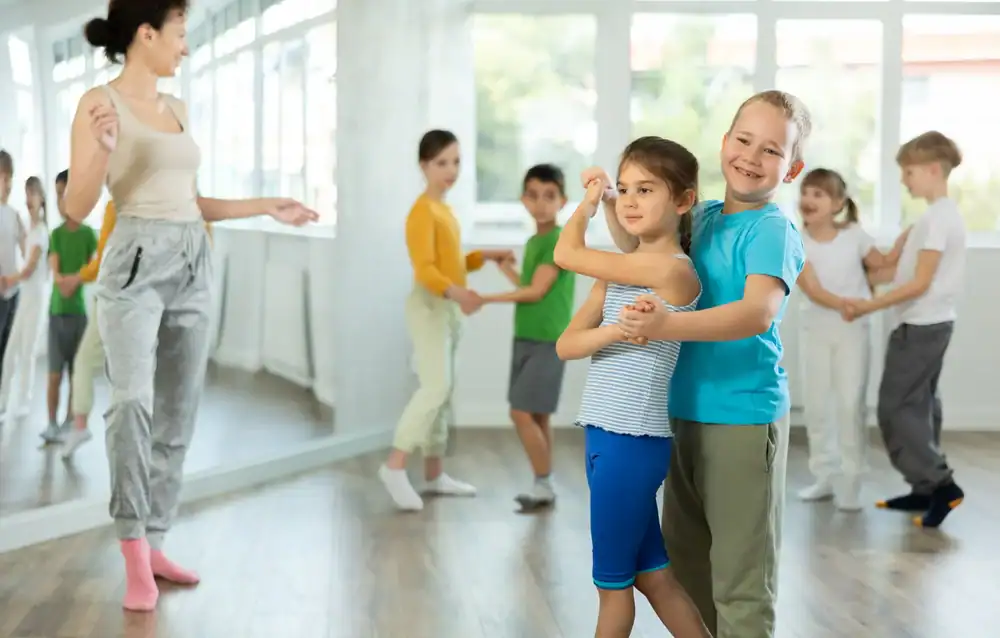
Group dance classes work well for teams that want to learn together without the pressure of performance. Private dance lessons suit smaller leadership teams or departments looking for more personalized instruction. And for companies hosting larger events, combining dance instruction with a reception creates an experience where guests learn, practice, and then use their new skills in a social setting.

The logistics of planning a corporate dance event are simpler than most companies expect. You don’t need elaborate production or months of preparation. What you need is clear goals, the right venue, and instructors who understand how to work with groups of varying skill levels.
Start by defining what you want your team to get out of the experience. Are you trying to break down silos between departments? Build confidence in a team that’s been remote and hasn’t spent much time together in person? Create a memorable experience that differentiates your company culture? Your goals will shape everything from the dance style you choose to how long the session should run.
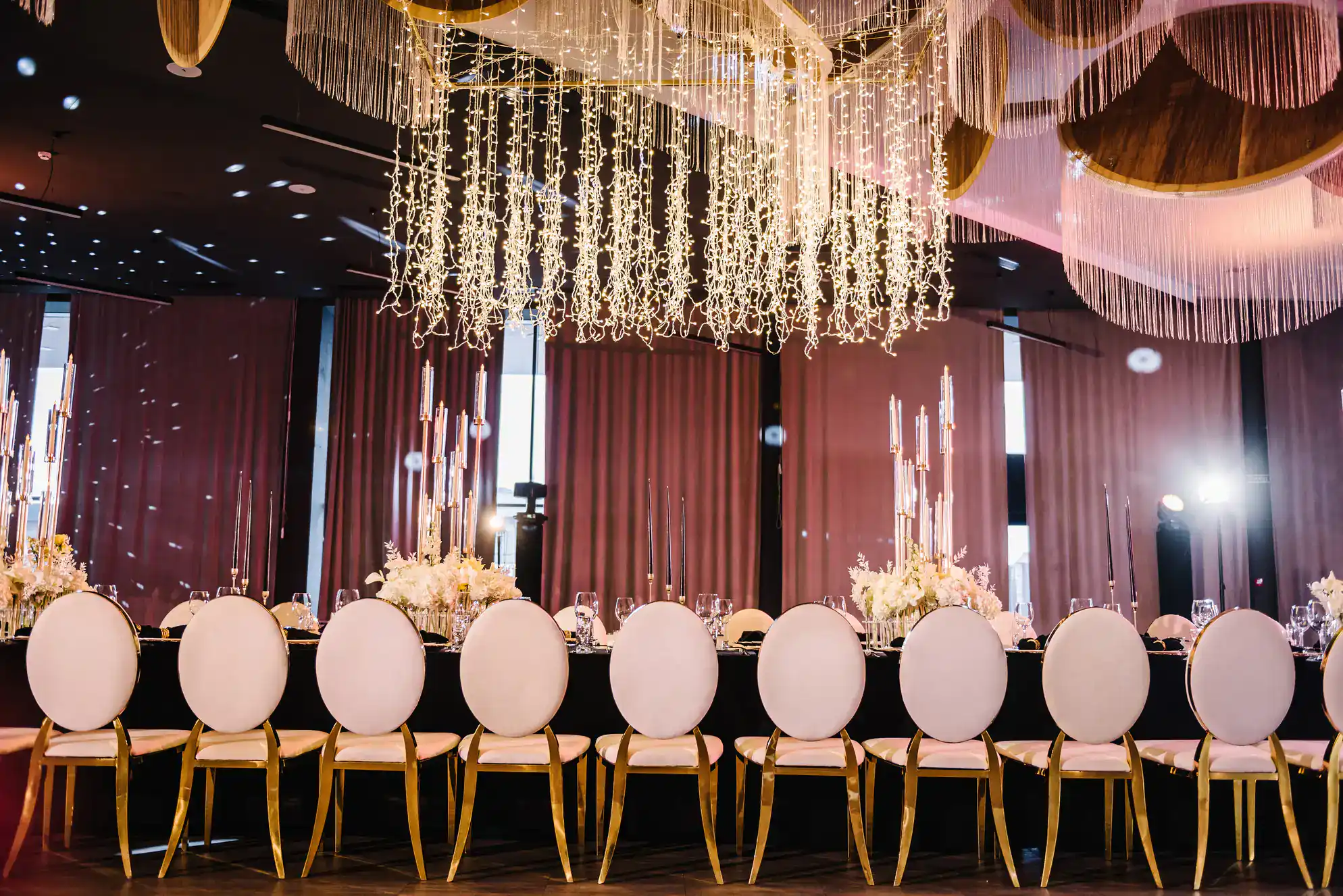
Venue selection matters more than you might think. An open floor plan encourages movement and mingling. Professional sound systems ensure everyone can hear the music and instruction clearly. And choosing a space that’s designed for dance—not just a conference room with the tables pushed aside—makes a noticeable difference in how comfortable people feel participating.
Timing is another consideration. Most corporate dance events run between 1-2 hours. That’s enough time to learn something meaningful without exhausting participants or taking up an entire workday. You can structure it as a standalone event, or incorporate it into a larger gathering where dance becomes one component of a more comprehensive team-building day.
The dance styles you choose should match your team’s comfort level and the atmosphere you want to create. Salsa and swing are energetic and social. Waltz and foxtrot are elegant and accessible. Line dancing removes the pressure of partner work entirely. A good instructor will help you select styles that fit your group, and they’ll adjust the complexity based on how quickly your team picks things up.
Suffolk County offers several venues equipped to handle corporate dance events, but not all of them understand the dual requirements of professional event hosting and quality dance instruction. You want a space that can accommodate your group size, provide the technical capabilities you need, and offer instructors who specialize in working with corporate groups—not just experienced dancers. We handle everything from initial planning to day-of coordination, so you’re not scrambling to manage logistics while trying to participate in your own event.
The immediate benefit of corporate dance events is obvious: your team has fun together, creates shared memories, and breaks out of the usual work routine. But the lasting value goes deeper than that.
Dance teaches coordination in a way that translates directly to workplace collaboration. When you’re learning choreography, you have to stay aware of your partner’s movements, adjust your timing to match theirs, and communicate—often nonverbally—about what’s working and what isn’t. Those same skills show up when you’re coordinating a project launch, managing client expectations, or navigating a challenging conversation with a colleague.
Confidence builds naturally too. Many people walk into corporate dance events convinced they “can’t dance” or that they’ll embarrass themselves. Then they learn a few steps, successfully coordinate with a partner, and realize the thing they thought was impossible is actually achievable with guidance and practice. That shift in mindset—from “I can’t do this” to “I can learn this”—applies to challenges well beyond the dance floor.
The social component matters more than companies often realize. When your finance team and your creative team learn tango together, they’re not just learning a dance. They’re building relationships across departments, seeing each other as whole people rather than job functions, and creating connections that make future collaboration easier. The informal setting removes the usual barriers that keep people in their professional roles, allowing for more authentic interaction.
For companies investing in team development, dance events offer measurable outcomes. Improved communication, stronger cross-departmental relationships, increased confidence, and better nonverbal awareness all show up in how teams function after the event. You’re not just checking a box for team building. You’re giving your people skills and connections that make them more effective at their jobs.
The format also works for diverse groups. You don’t need prior dance experience. Physical fitness requirements are minimal—instructors adapt movements to accommodate different ability levels. Age doesn’t matter. And unlike some team-building activities that favor extroverts or competitive personalities, dance creates space for everyone to participate in ways that feel comfortable to them. Some people will love being in the spotlight. Others will prefer practicing with a partner in a less visible part of the room. Both approaches are valid, and good instruction accommodates both styles.
Traditional corporate mixers aren’t working. Your team knows it. You know it. And the research confirms what everyone suspected: passive networking formats don’t create the meaningful connections or team development that organizations need.
Interactive dance events solve that problem by changing how people engage. When your team learns choreography together, they’re building real skills—coordination, communication, trust—that transfer directly to how they work. And they’re doing it in a format that’s accessible, memorable, and genuinely enjoyable.
If you’re planning your next corporate gathering in Suffolk County, NY and you want something that actually delivers results, consider what dance-based team building offers. Not because it’s trendy, but because it works. We specialize in creating these experiences—combining professional dance instruction with comprehensive event coordination to give your team an experience they’ll talk about long after it’s over.
Summary:
Article details:
Share: