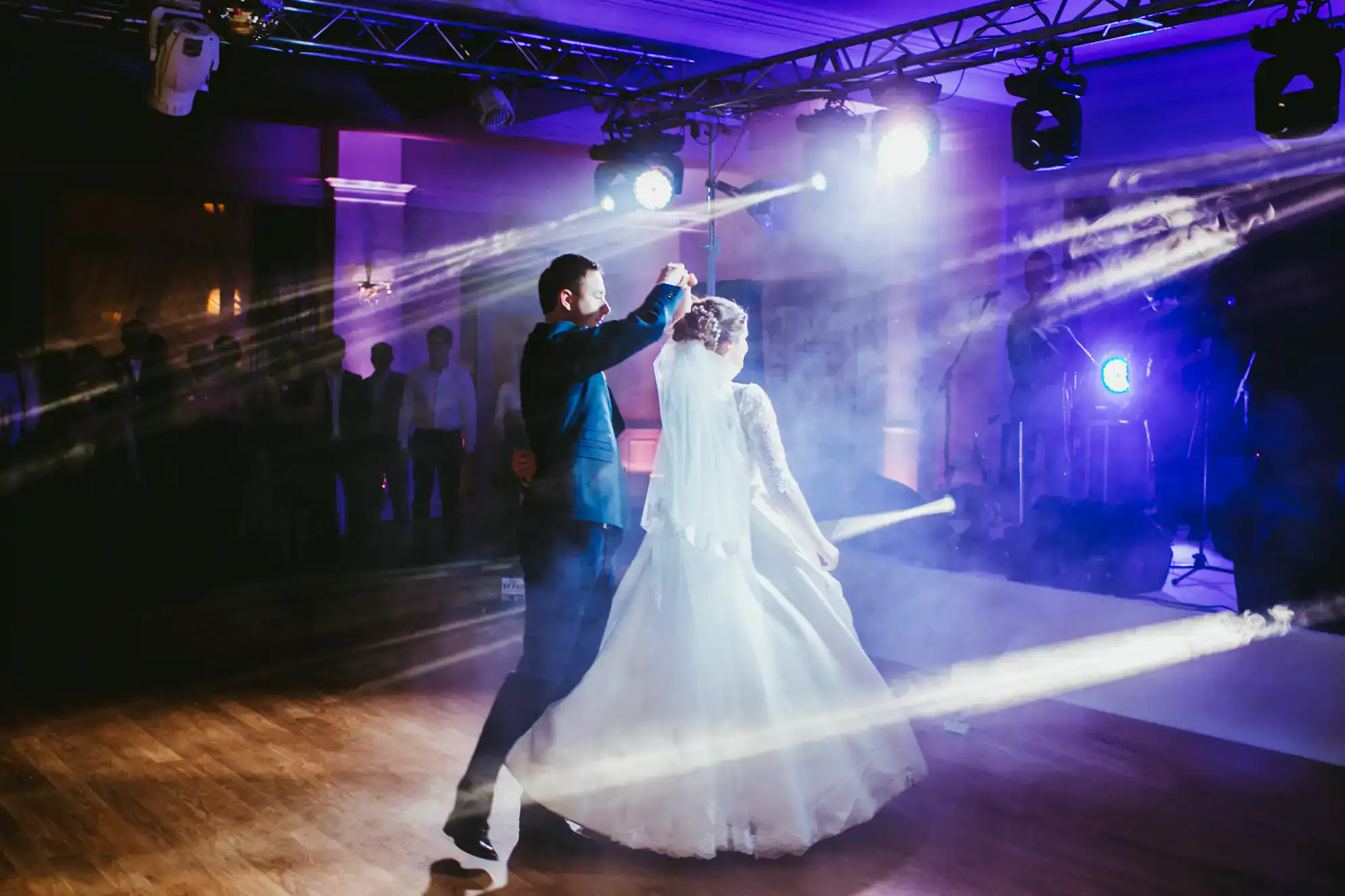
Your first wedding dance should feel natural and meaningful, not stressful. Discover how to choose the right song and style for your big day.
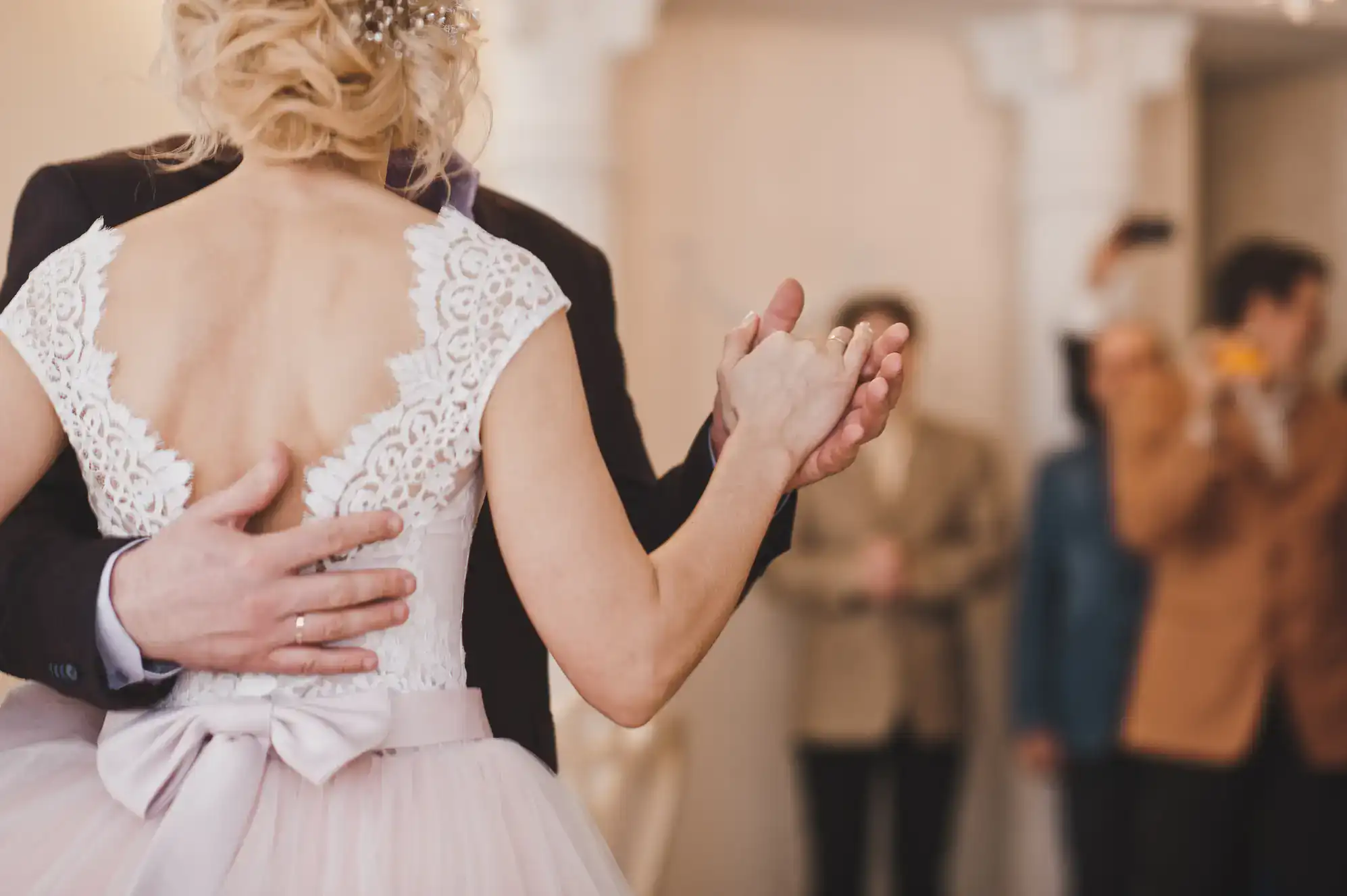
You’ve got a million things on your wedding planning checklist, and somewhere near the bottom is that first dance you’re supposed to figure out. Maybe you’re excited about it. Maybe you’re dreading it. Either way, you’re probably wondering how to choose a song that won’t leave you swaying awkwardly while everyone watches.
The truth is, your first wedding dance doesn’t need to be complicated or perfect. It needs to feel like you. That starts with picking the right song and understanding how it connects to the style of dance you’ll actually be comfortable doing. Let’s walk through what you need to know to make this work.
Your song choice sets everything else in motion. It determines the dance style, the mood, and how comfortable you’ll feel moving to it for two or three minutes in front of everyone you know.
Start with songs that mean something to you as a couple. But don’t stop there. You also need to think about whether it’s actually danceable. Some beautiful, meaningful songs have awkward timing, lyrics about breakups, or tempos that make choreography nearly impossible.
Listen to your top choices and pay attention to the beat. Can you naturally sway or move to it? Does it have a clear, steady rhythm? Those are good signs. If you’re struggling to find the beat or the song has multiple tempo changes, it might create unnecessary stress during your lessons.
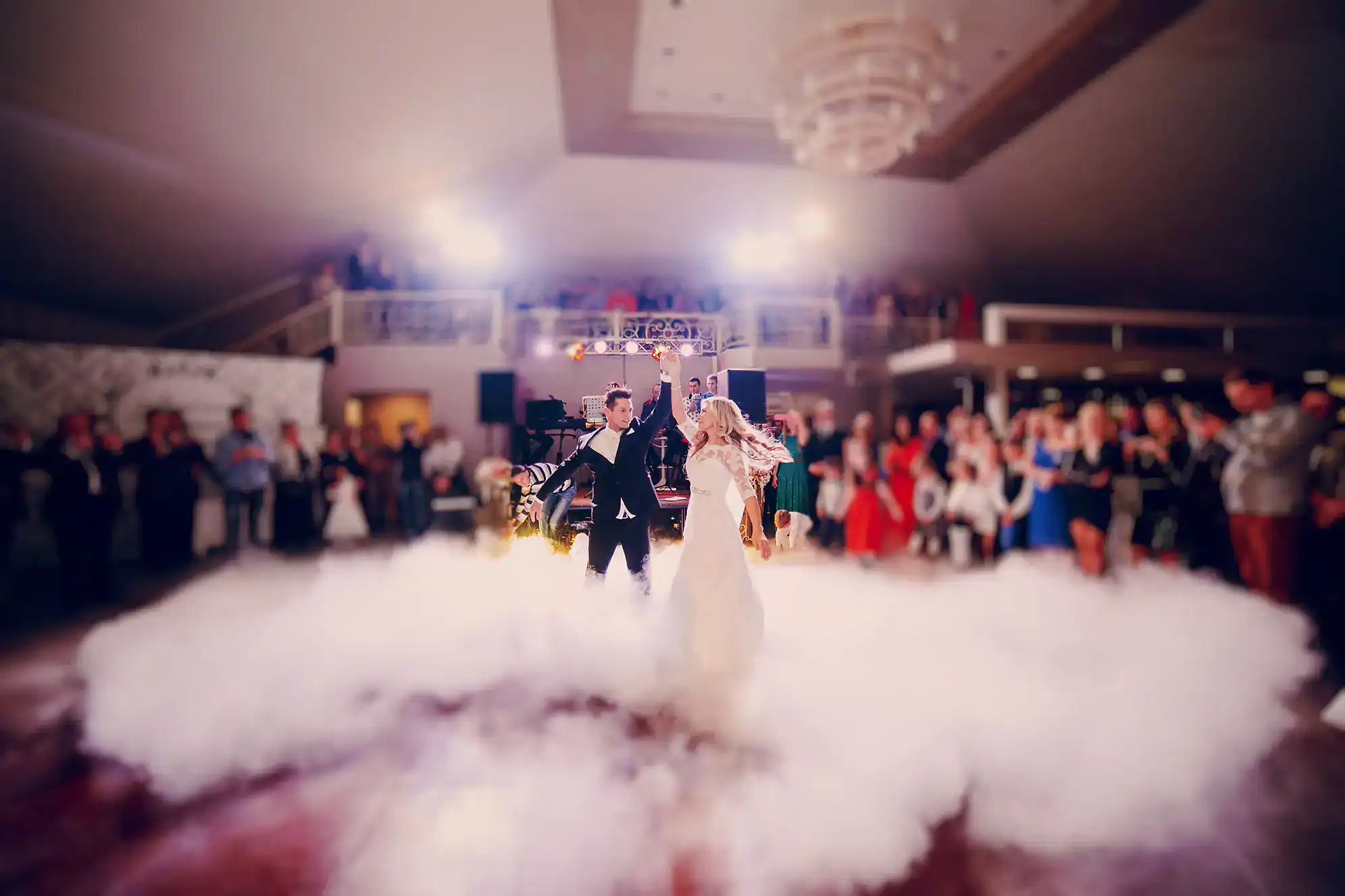
Not every romantic song translates well to the dance floor. The best first wedding dance songs have a few things in common that make them easier to work with.
Tempo matters more than you might think. Mid-tempo songs, roughly 80 to 100 beats per minute, tend to be the easiest for couples to learn. A lot of people assume slower is easier, but songs that are too slow can actually feel harder to move to because there’s more time between beats where you’re just standing there. If you’re between two songs and one feels slightly faster, don’t automatically rule it out.
Length is another consideration. Aim for something around two and a half to three minutes. Any shorter feels rushed. Any longer and you’ll start to feel self-conscious, and your guests might lose interest. If your dream song is four minutes, talk to your DJ about editing it down to a more manageable length.
Lyrics deserve your attention too. Read through them carefully. Some songs sound romantic until you realize they’re actually about heartbreak, unrequited love, or relationships falling apart. You don’t want to discover that halfway through your first dance lesson.
The structure of the song also plays a role. Songs with a clear intro, consistent verses, and a defined ending are easier to choreograph than songs with lots of stops and starts or unusual arrangements. We can work with almost anything, but simpler structures give you more room to focus on actually dancing instead of trying to remember when the music changes.
If you’re stuck between a few options, bring them all to your first lesson. We can tell you immediately which one will be easier to work with based on your skill level and comfort zone. Sometimes the song you think is perfect turns out to be tricky, and the one you almost dismissed ends up being ideal.
Once you’ve chosen your song, the next step is figuring out which dance style fits it best. This isn’t about picking the fanciest or most impressive style. It’s about finding what works with your music and what you’ll actually enjoy learning.
Most songs fall into one of two categories based on timing. Songs in 4/4 time, where you can count four beats repeatedly, work well with styles like Rumba, Foxtrot, or even Salsa if you want something more upbeat. Songs in 3/4 time, where you count three beats, are natural fits for a Waltz. If you’re not sure which yours is, just clap along and count. The pattern will become obvious pretty quickly.
Rumba is actually the most popular choice for wedding dances, not Waltz like many people assume. It’s slow, romantic, and sensual without being overly complicated. A ton of contemporary love songs work perfectly with Rumba timing, which is why so many couples end up choosing it. The movements are smooth and the style emphasizes connection between partners, which photographs beautifully.
Foxtrot is another versatile option that works with a wide range of songs. It’s elegant without being stuffy, and it has a gentle, flowing quality that looks natural even if you’re new to dancing. If your song has a classic or jazzy feel, Foxtrot might be your best bet. It’s also forgiving for beginners because the basic steps are straightforward and the style doesn’t require a lot of complex footwork.
Waltz brings that traditional, fairytale elegance if that’s the vibe you’re going for. The sweeping, circular movements look stunning, especially in a formal setting. But it does move faster than people expect, so it requires a bit more practice to feel comfortable. If you’ve always imagined that classic ballroom moment, it’s worth the effort.
For couples who want more energy, Latin styles like Salsa or Cha-Cha can work if your song has the right rhythm. These are more playful and dynamic, which can be a great fit if you’re both outgoing and want to surprise your guests. Just know they require more practice time because the footwork is quicker and more intricate.
The key is being honest about your comfort level and how much time you have to practice. A simple Rumba or Foxtrot that you’ve mastered will always look better than a complicated Salsa routine you’re still struggling with on your wedding day. We’ll help you match the style to both your song and your abilities, so you end up with something that feels natural instead of forced.
Want live answers?
Connect with a Ballroom Factory Dance Studio expert for fast, friendly support.
Most couples make at least one of these mistakes, and they’re all avoidable if you know what to watch for. The biggest one is waiting too long to start lessons.
If you’re getting married in three months and haven’t started dance lessons yet, you’re cutting it close. Ideally, you want to begin at least two to three months before your wedding. That gives you time to learn the basics, practice until the movements feel natural, and not feel like you’re cramming the week before.
Another common issue is overcomplicating the choreography. You see videos of couples doing elaborate routines and think that’s what you need to do. But those couples are often experienced dancers or they’ve been practicing for six months. For most people, a well-executed simple routine looks far better than a complicated one where you’re clearly struggling to remember what comes next.
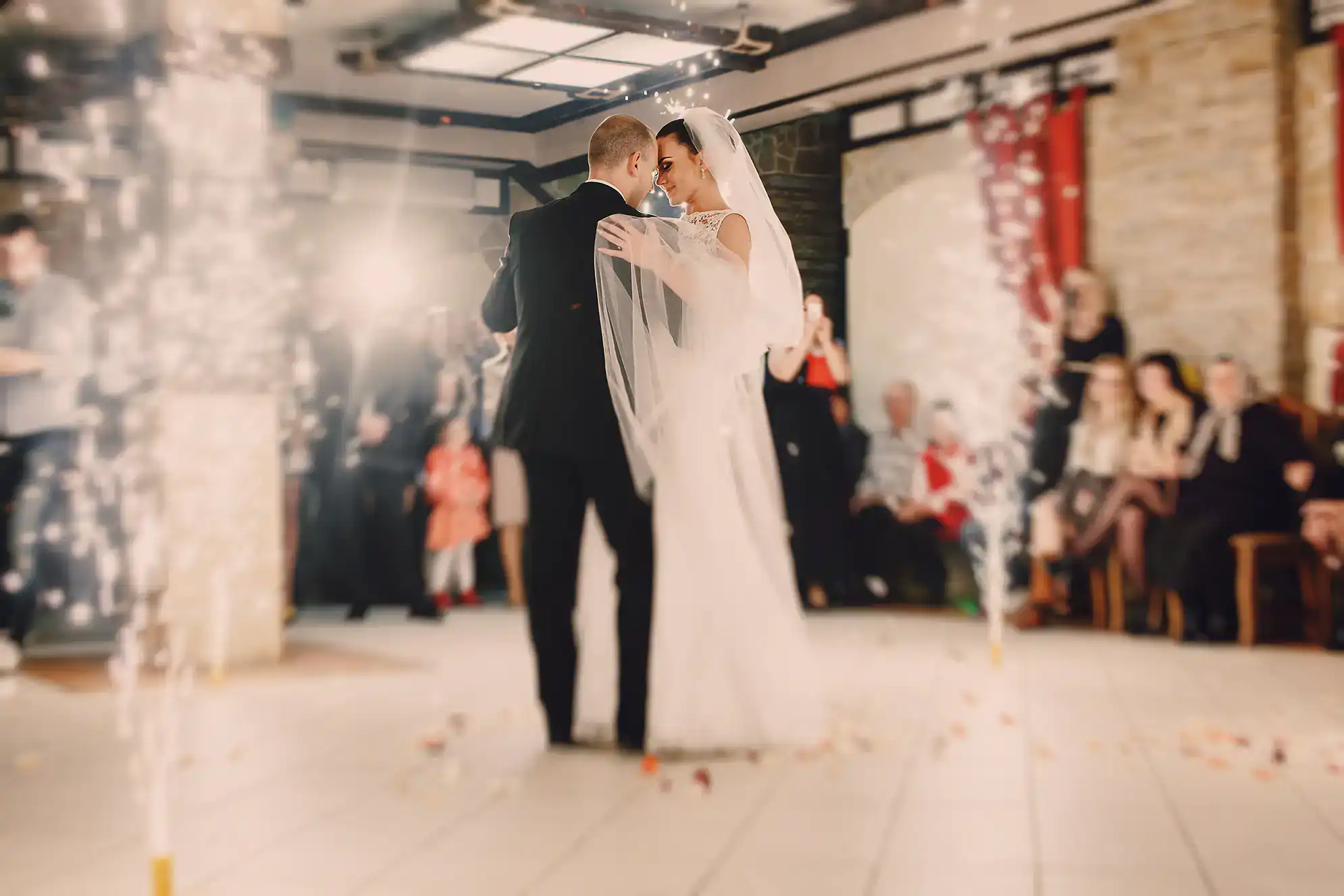
Choosing the wrong song is one of those mistakes that creates problems down the line. It’s not just about picking something you like. It has to work for dancing, and not every song does.
Some couples choose a song because it’s meaningful but don’t consider whether it’s practical. Maybe it has sentimental value because it was playing when you first met, but the timing is all over the place or it’s seven minutes long. That puts you in a tough position where you either have to heavily edit a meaningful song or struggle through a dance that doesn’t flow well.
Lyrics are another trap. A song might sound romantic on the surface, but when you actually read the words, it’s about a relationship ending or someone being left behind. That’s not the vibe you want for your first dance as a married couple. Always read through the full lyrics before committing to a song.
Tempo mismatches cause frustration too. You might love a song, but if it’s too fast or too slow for your skill level, it becomes a source of stress instead of enjoyment. A song that’s too fast makes you feel rushed and anxious. A song that’s too slow can feel awkward because there’s so much space between movements. Mid-tempo songs in that 80 to 100 BPM range tend to be the sweet spot for most couples.
Sometimes couples pick a song assuming it will be easy to dance to, only to discover it has an unusual structure or irregular beat that makes choreography challenging. Songs with lots of tempo changes, long instrumental breaks, or unconventional timing can work, but they require more practice and patience. If you’re already nervous about dancing, starting with a straightforward song makes everything easier.
If you’re unsure about your song choice, bring a few options to your first lesson. We’ve worked with hundreds of songs and can tell you immediately which ones will be easier to work with. Sometimes a song you didn’t even consider ends up being perfect because it has the right tempo, clear structure, and timing that matches your natural movement style.
Everyone wants to know how many lessons they need. The honest answer is that it depends on your goals, your starting skill level, and how comfortable you want to feel on your wedding day.
Most couples in Suffolk County, NY feel confident with five to ten private dance lessons. If you’re complete beginners and want a simple, elegant first dance, five to six lessons usually does the job. You’ll learn basic steps, smooth transitions, and how to move together without stepping on each other. That’s enough to look polished and feel comfortable.
If you want more choreographed elements, or if one or both of you has never danced before and needs extra time to build confidence, eight to ten lessons gives you room to really internalize the movements. You’ll have time to practice more intricate patterns, add personal touches, and get to the point where the dance feels automatic instead of something you’re actively thinking about.
The key is starting early enough that you’re not stressed. Beginning your lessons two to three months before your wedding is ideal. That timeline lets you space out your lessons, practice between sessions, and avoid the last-minute panic that makes everything harder. If you only have a few weeks, don’t worry. We can still create a beautiful, simple routine that you’ll feel good about. It just means focusing on the essentials and keeping things straightforward.
Practice between lessons makes a bigger difference than you might expect. Even fifteen or twenty minutes a few times a week helps build muscle memory. You don’t need a big space or special equipment. Just put on your song and run through the steps in your living room. The more familiar the movements become, the less you’ll be thinking about your feet and the more you can focus on each other.
One thing that helps is practicing in your actual wedding shoes, or at least shoes similar to what you’ll wear. Dancing in sneakers feels completely different from dancing in heels or dress shoes. Getting comfortable with how your shoes affect your balance and movement early on prevents surprises on your wedding day.
Some couples worry they’re not “natural dancers” and assume they’ll need twice as many lessons as everyone else. That’s rarely true. Most people pick up basic steps faster than they expect once someone breaks it down clearly. Our job is to meet you where you are and build from there, not to make you into a professional dancer. The goal is confidence and connection, not perfection.
Your first wedding dance doesn’t need to be the most technically perfect performance your guests have ever seen. It needs to feel authentic to who you are as a couple. That means choosing a song you actually love, picking a dance style that matches your comfort level, and giving yourself enough time to practice without adding stress to an already busy season.
The couples who enjoy their first dance the most are the ones who focus on the experience instead of the outcome. They choose songs that mean something to them, work with instructors who understand their goals, and don’t try to force themselves into a style that doesn’t feel natural.
If you’re in Suffolk County, NY and want help creating a first wedding dance that actually reflects your relationship, we work with couples at every skill level at Ballroom Factory Dance Studio. From complete beginners to those with dance experience, our focus is on personalized instruction that builds confidence and makes the process enjoyable instead of stressful.
Summary:
Article details:
Share: