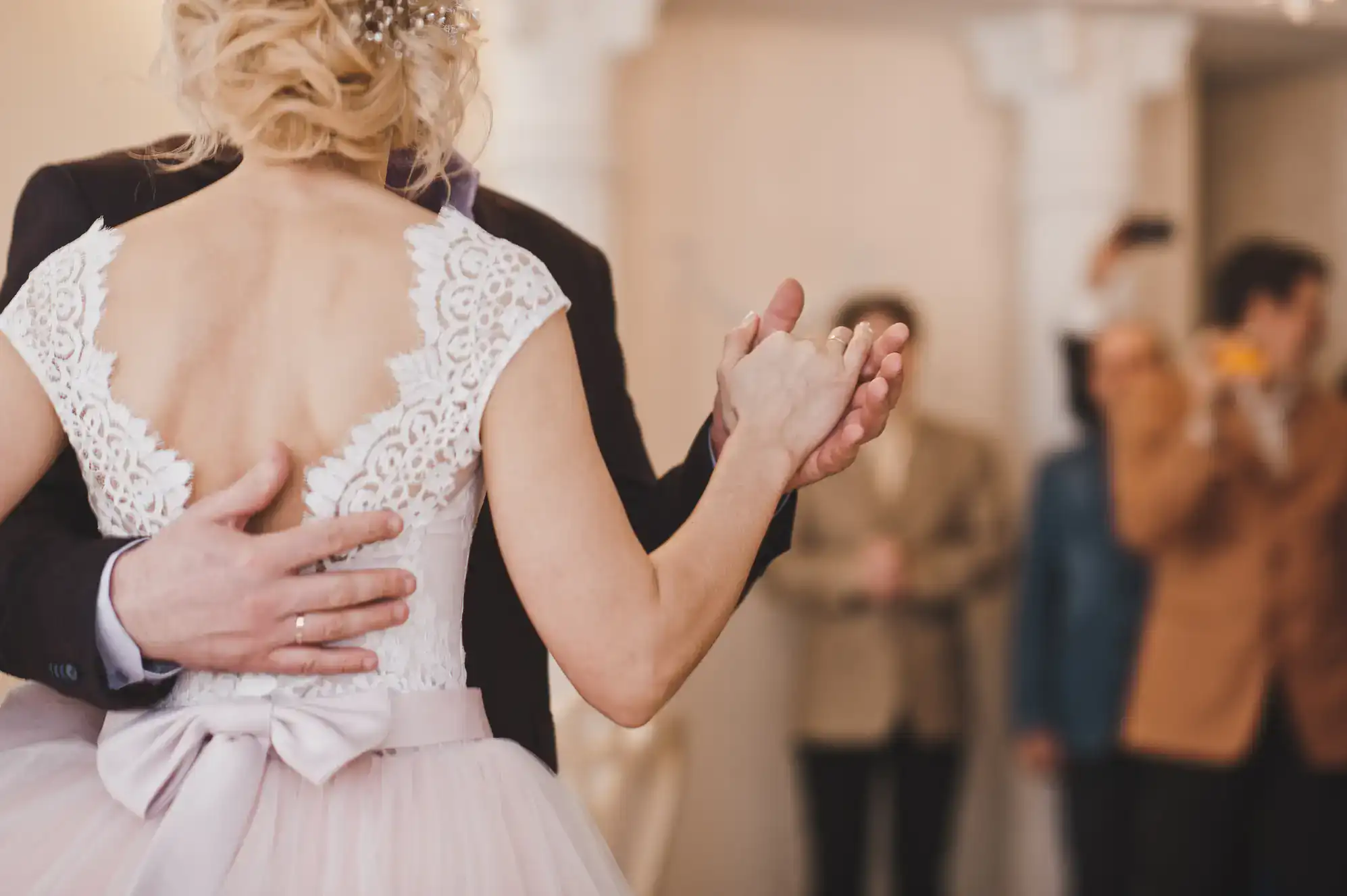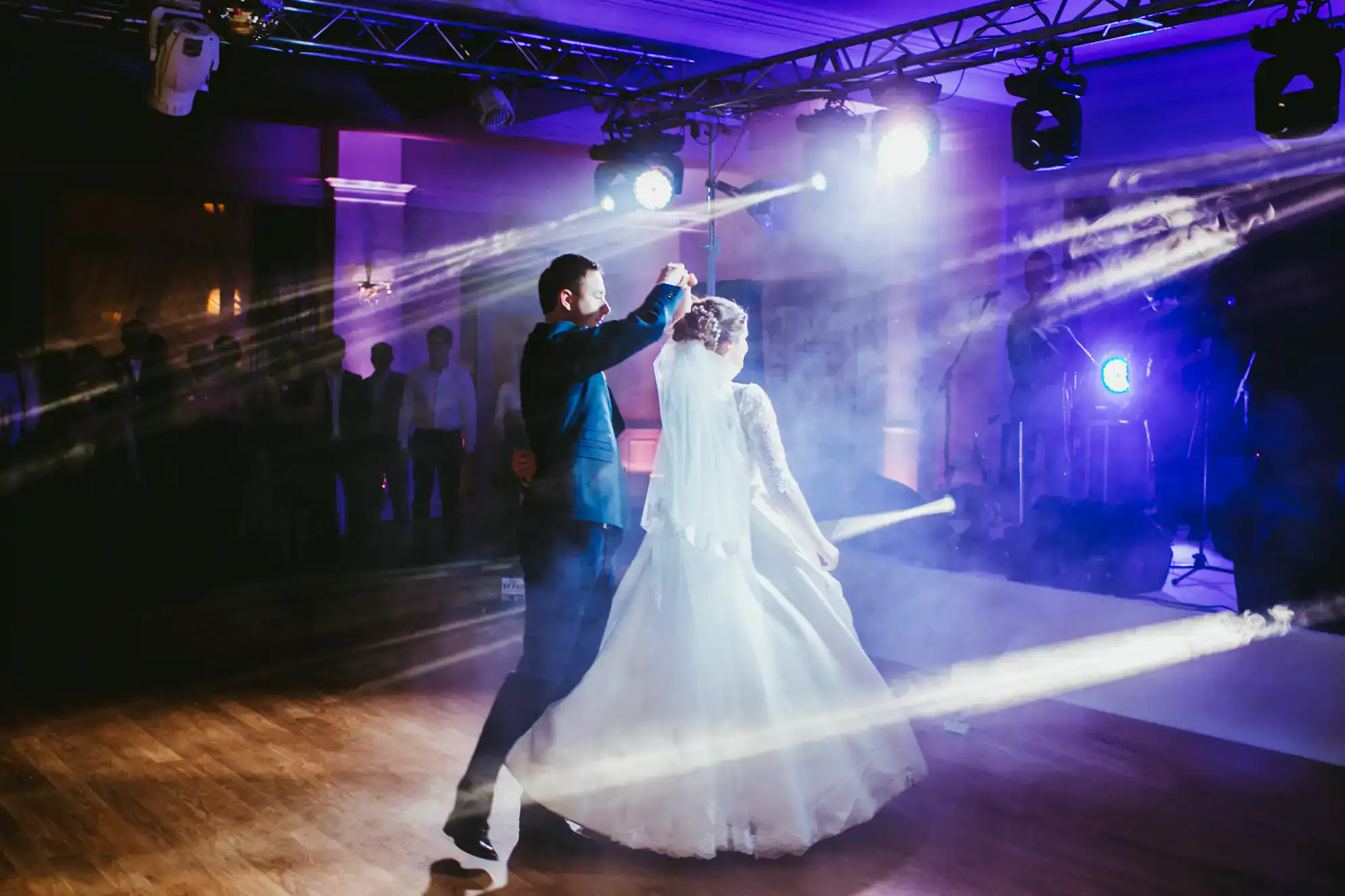
Not sure where to start with wedding dance lessons? Here's what actually matters — from how many lessons you need to which dance style fits your song.
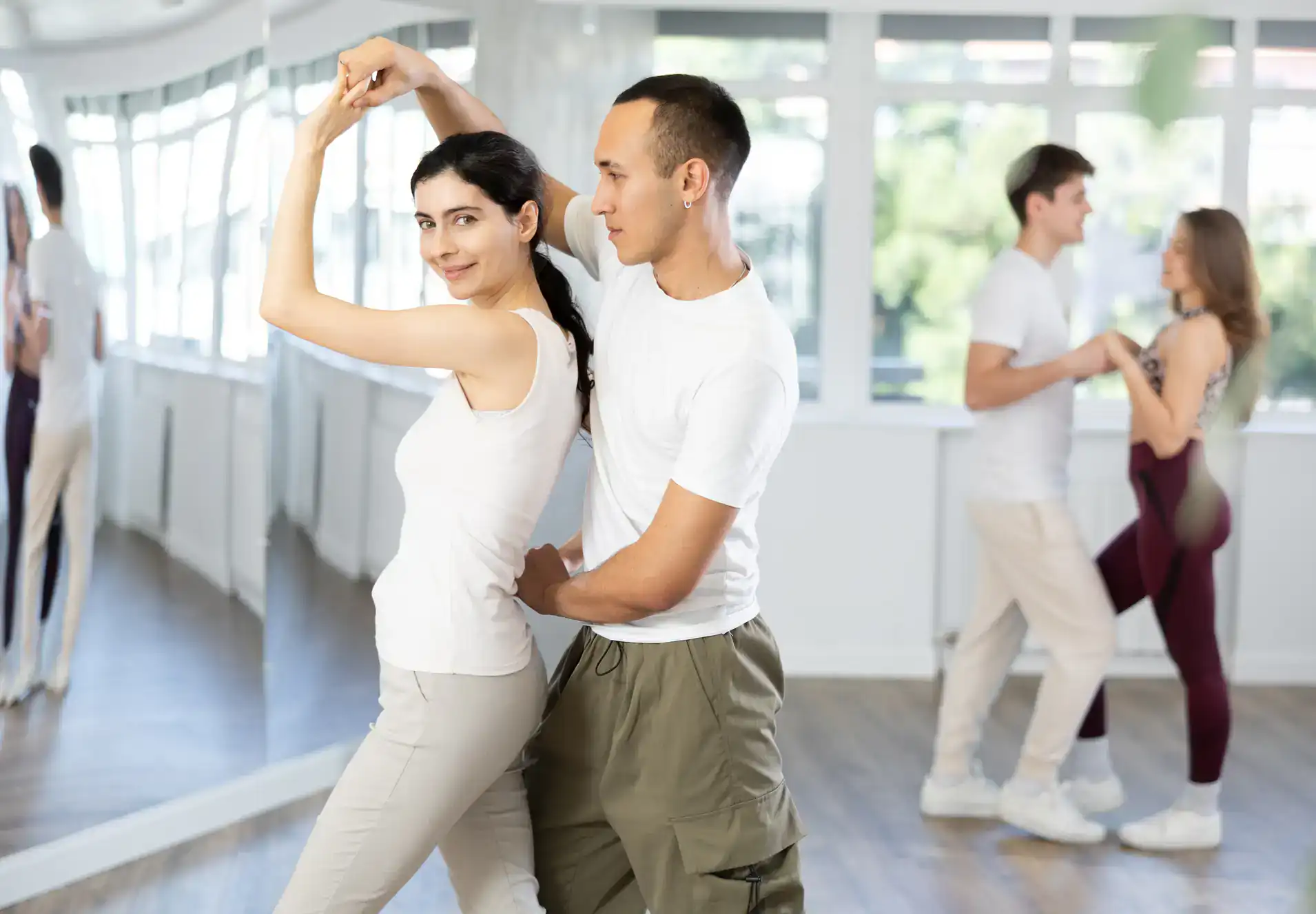
You’ve got the venue booked, the flowers sorted, and the playlist almost finalized. But when someone asks about your first dance, there’s still that small knot in your stomach — because neither of you has really danced before, and the idea of doing it in front of 150 people while a photographer circles you is, honestly, a little terrifying.
That’s where most couples are when they first come to us. Not performers. Just two people who want to look comfortable, connected, and maybe even a little impressive on one of the most photographed moments of their lives. This guide covers everything you actually need to know before booking your first lesson.
Wedding dance lessons aren’t like learning a sport or picking up an instrument. You’re not building a skill over years — you’re preparing for one specific moment, with a specific song, on a specific date. That changes how the whole process works.
The goal isn’t to make you a dancer. It’s to make you look and feel confident for three to four minutes in front of everyone you love. That’s a much more achievable target than most couples realize when they first walk through the door.
In couples wedding dance lessons, everything is built around you — your song, your comfort level, your timeline, and the kind of first dance you actually want. Some couples want sweeping, romantic choreography. Others just want to stop swaying awkwardly. Both are completely valid, and both are things we can work with.
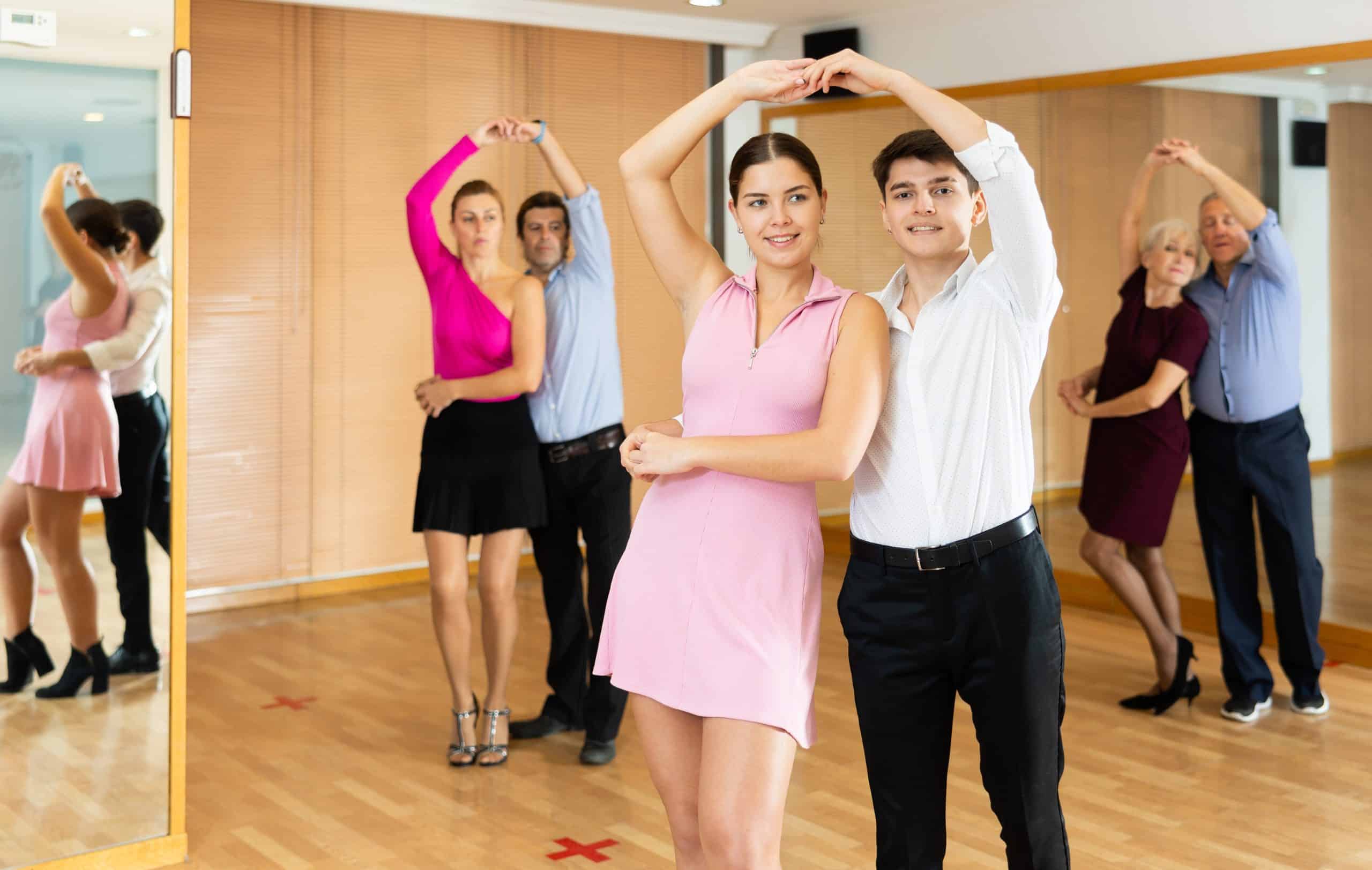
This is the question we get more than any other, and the honest answer is: it depends on where you’re starting and what you want to walk away with.
For couples with no dance experience at all, somewhere between five and ten private dance lessons for wedding is a realistic target for a polished, choreographed routine. If your wedding is coming up fast and you just want to get through the first dance without freezing, four or five lessons with an experienced instructor is genuinely enough to build a short, repeatable sequence you can rely on under pressure. We’ve had couples come in with three weeks to spare and leave with a first dance that earned a standing ovation.
The rule of thumb most instructors use is roughly two hours of lesson time for every one minute of choreography. So if your song runs three and a half minutes and you want to dance the whole thing, plan accordingly. If you’re trimming it to ninety seconds — which many couples do — the prep time drops significantly.
What matters more than the number of lessons is when you start. Couples who begin four to six months before the wedding have the luxury of learning gradually, practicing between sessions, and actually enjoying the process. Couples who start six weeks out can still get there, but the sessions feel more urgent and there’s less room for setbacks.
Our advice: don’t wait until the venue is booked and the invitations are out. The sooner you start, the more options you have — and the more fun it becomes instead of feeling like one more thing on the list.
Most couples pick their song first and figure out the dance style second — which is exactly the right order. Your song is personal. The dance style is just the vehicle for it.
That said, not every style fits every song, and understanding the basics will help you have a more useful conversation with your instructor from day one.
Rumba is the most popular choice for wedding first dances, and it’s not a coincidence. It’s smooth, romantic, and works with the vast majority of slow love songs couples tend to choose — everything from Etta James to Ed Sheeran to Christina Perri. If you’re not sure where to start, Rumba is usually the answer.
Waltz and Foxtrot are the classic ballroom options — elegant, flowing, and timeless. They work beautifully with traditional love songs and anything with a sweeping, cinematic feel. If you’ve ever watched a first dance and thought “that looked effortless,” it was probably one of these.
For couples who want something with more energy, Salsa, Cha-Cha, or Swing can turn a first dance into a genuine crowd moment. These styles work well when the couple wants to surprise their guests — starting slow and then breaking into something upbeat. We’ll talk more about that in the choreography section.
The most important thing to remember is that your 1st dance ideas don’t have to fit a template. If you love your song but aren’t sure it “works” for dancing, bring it in. We’ve choreographed to everything from big band classics to indie folk to hip-hop. The style follows the song — not the other way around.
Want live answers?
Connect with a Ballroom Factory Dance Studio expert for fast, friendly support.
One of the advantages of working with a studio that teaches a wide range of styles is that you’re not limited to what the instructor knows. We teach Waltz, Foxtrot, Viennese Waltz, Tango, Rumba, Cha-Cha, Salsa, Samba, Bachata, Merengue, Hustle, Swing, Jive, and more — which means whatever song you’ve chosen, we can find a style that fits it naturally.
The right dance style doesn’t just match your song. It matches your personalities, your venue, and the kind of moment you want to create. A waterfront reception on the Great South Bay calls for something different than a formal ballroom at a Smithtown estate.
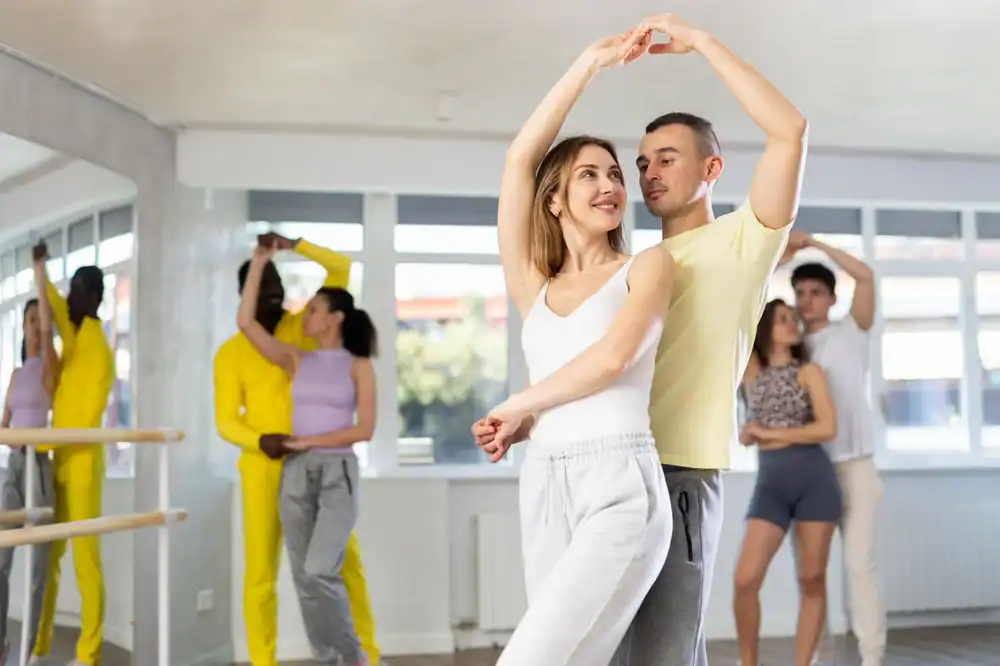
The “surprise wedding dance choreography” has become one of the most requested services we offer, and it’s easy to understand why. The setup is simple: the couple begins with a slow, romantic first dance — something that looks completely traditional to the guests — and then the music shifts and they break into a fully choreographed, upbeat routine. The reaction from the room is almost always immediate and electric.
If that sounds like your kind of thing, it’s absolutely something we can build. The key is giving yourself enough time to learn two distinct sections of choreography and practice the transition between them until it feels seamless. Most couples doing a surprise routine benefit from starting a bit earlier than average — ideally four to five months out — and committing to regular sessions.
But not every couple wants a performance, and that’s completely fine. Some of the most beautiful first dances we’ve been part of were simple — a Waltz or a Rumba, well-executed, with the couple genuinely present in the moment rather than running through steps in their heads. There’s no right answer here. The goal is always to match what you want with what you can realistically prepare for given your timeline and comfort level.
For couples who want something more cultural, we also work with clients on choreographer for sangeet requests — the pre-wedding Indian celebration dance that’s become an increasingly prominent part of South Asian weddings across Suffolk County. Our Latin and world dance background gives us the range to approach these events thoughtfully, and it’s a service no other local studio is actively offering.
Here’s something worth saying plainly: you do not need a fully choreographed routine to have a great first dance. Some couples come in specifically asking for easy first dance choreography — a handful of steps they can rotate through comfortably, without the pressure of memorizing a complex sequence.
That’s a legitimate goal, and it’s one we take just as seriously as building a full performance piece. A simple first dance done with confidence and genuine connection looks far better than an elaborate routine executed with visible anxiety.
What simple first dance choreography actually involves is learning a few foundational steps that work with your song, understanding how to move together as a unit, and building enough repetition that your body knows what to do without your brain having to manage it. That last part — the muscle memory — is what separates couples who look natural from couples who look like they’re counting in their heads.
For the Suffolk County couples we work with, this often means fitting lessons into an already packed schedule. Engagements happen, venues get booked, and suddenly the wedding is four months away and dance lessons feel like one more thing to coordinate. Our Mon–Fri hours running until 9:30 PM are specifically designed for that reality — so you can come in after work, after the commute, and actually be present for the lesson instead of rushing from something else.
Dance lessons for bride and groom don’t need to be a production. They just need to be consistent. Even one lesson per week, started early enough, builds something real.
The first dance is one of those moments that feels enormous in the planning and then goes by in an instant on the day. What stays is the footage, the photos, and the memory of how it felt to be in that moment — confident, connected, and not thinking about your feet.
Most couples who take wedding dance lessons say the same thing afterward: they wish they’d started sooner, and they’re glad they did it. That’s true whether they took four lessons or twenty. The preparation changes how the moment feels, and that’s worth something.
If you’re based anywhere in Suffolk County — whether you’re in Patchogue, Smithtown, Bay Shore, Babylon, Hauppauge, or anywhere in between — we’re here to help you get there. Reach out to us directly to talk through your timeline, your song, and what kind of first dance you’re picturing. We’ll take it from there.
Summary:
Article details:
Share: