Not sure whether to take tango lessons with your partner or on your own? Here's how to think through the decision before you book your first class.
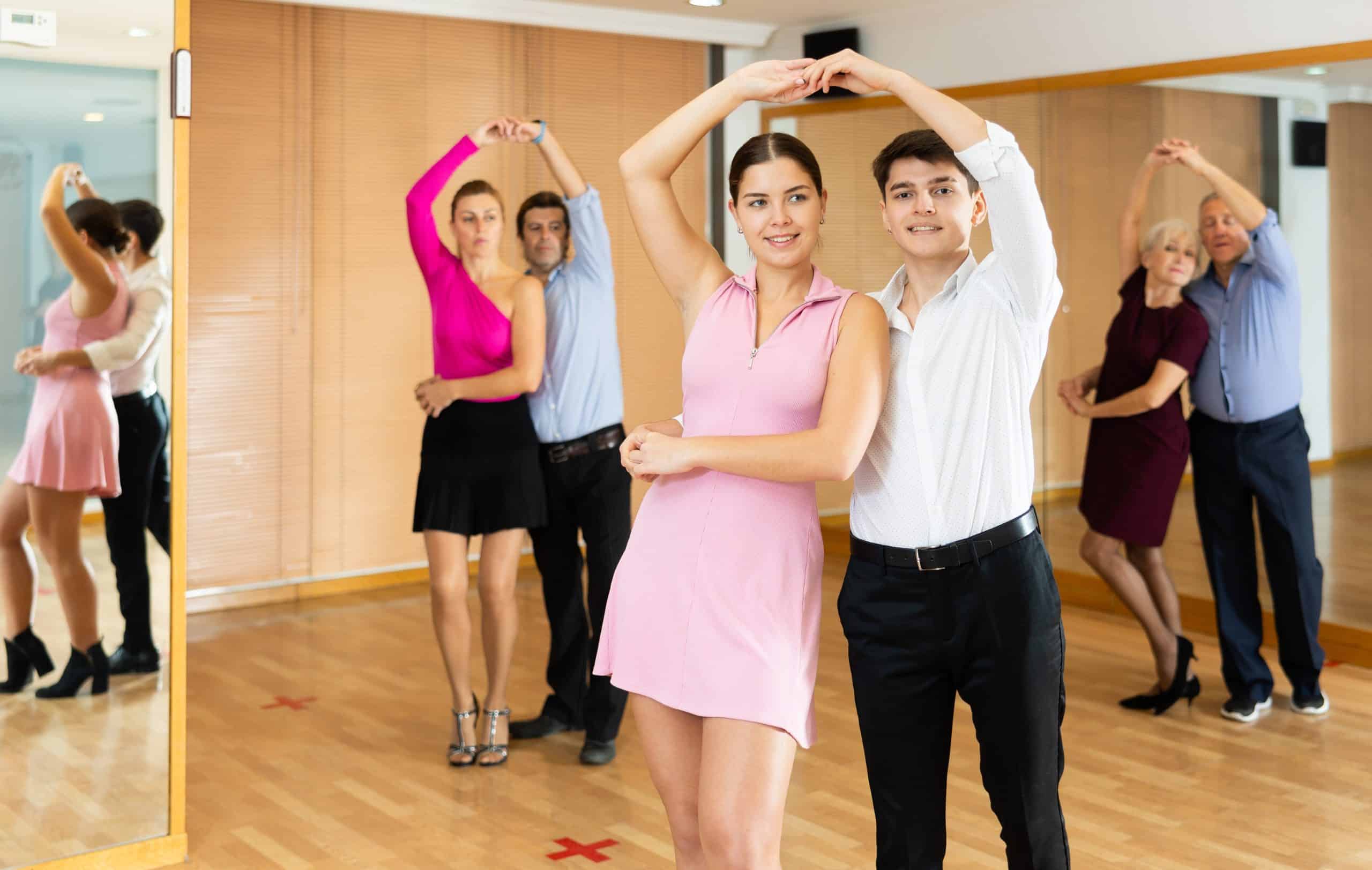
Most people who look into tango lessons have one question before anything else: do I need to bring someone with me? It’s a reasonable thing to wonder, especially if your partner is on the fence, your schedules never seem to line up, or you’re not even sure you’ll enjoy it yet. The short answer is no — you don’t need a partner to start. But the longer answer is more interesting, because couples and solo lessons are genuinely different experiences, and the right choice depends on what you’re trying to get out of it. Here’s what you should actually know before you sign up.
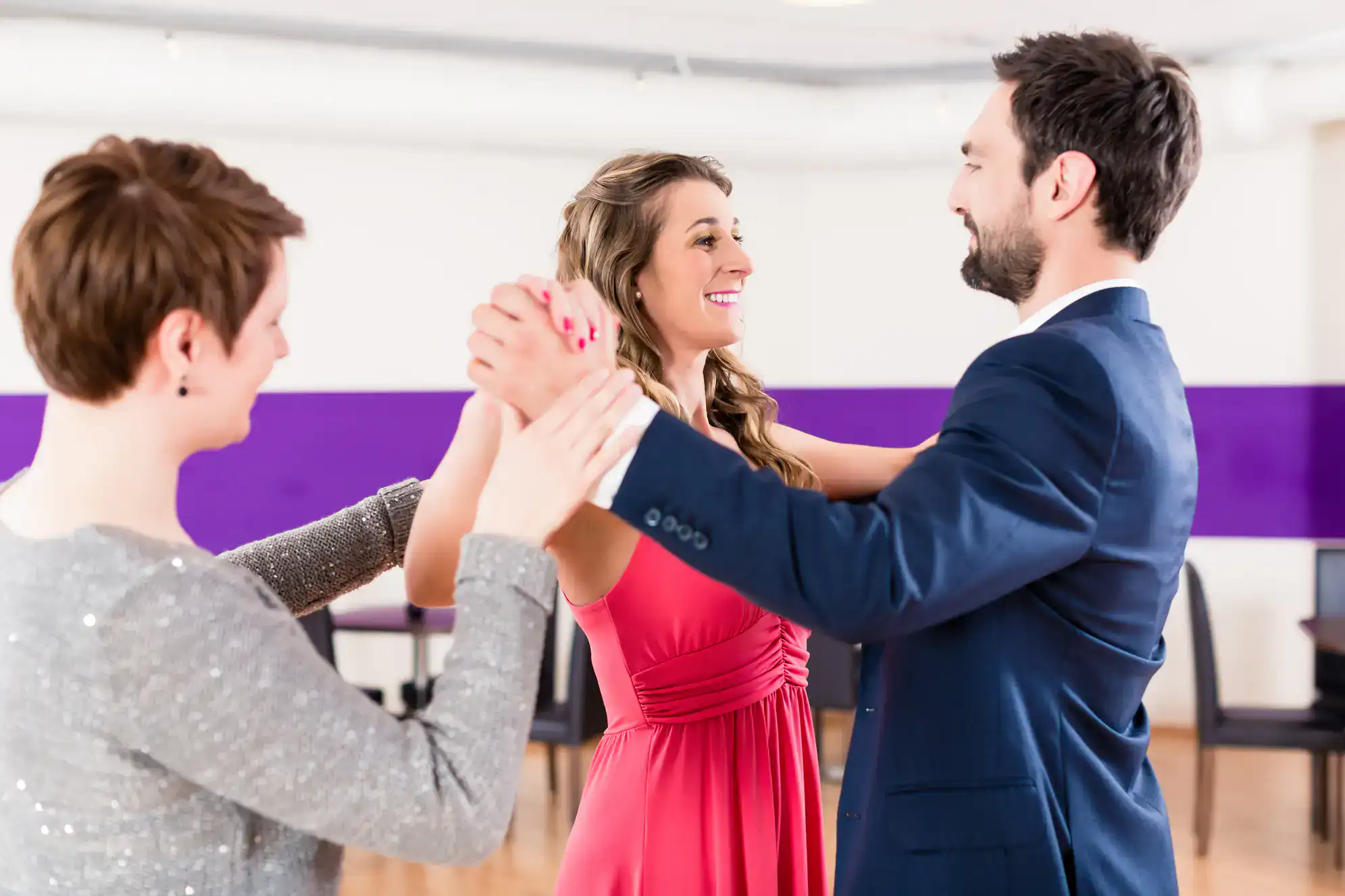
Taking partner dance lessons as a couple — whether you’re learning tango, bachata, or waltz — sounds straightforward on paper. You show up, you dance together, you leave feeling closer. And sometimes it really does go exactly like that. But it helps to know what you’re walking into.
Partner dancing has a lead-and-follow dynamic built into it. One person guides, the other responds. That’s not a power dynamic — it’s a communication system. And learning how to use it, especially with someone you already know well, can surface things you didn’t expect: impatience, overthinking, the urge to backseat-drive. Good instructors know this and work with it. The best lessons for couples aren’t just about footwork — they’re about helping two people actually listen to each other through movement.
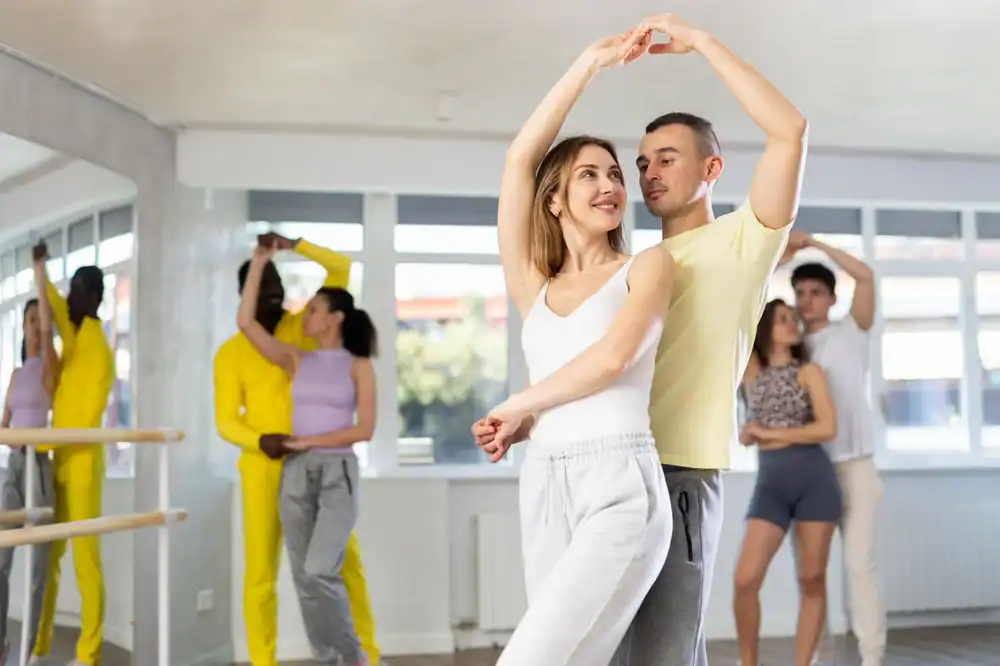
This is the concern most couples don’t say out loud but almost everyone has. What if one of you picks it up quickly and the other struggles? What if the faster learner gets frustrated, or the slower one feels embarrassed?
It happens. It’s normal. And it doesn’t have to derail anything if the instruction is set up to handle it — which is exactly why the quality of your instructor matters more than the format of the lesson.
When one partner is moving faster, a skilled instructor will give each person something specific to work on within the same session. The stronger dancer refines technique and musicality while the other builds confidence in the fundamentals. You’re still in the room together, still dancing together, but you’re not stuck waiting for each other or silently competing.
What tends to go wrong is when couples take group classes where the instructor can’t give individual attention. One person gets lost, the other gets bored, and suddenly the whole thing feels like a chore. Private lessons solve this problem directly. The session is built around the two of you — your pace, your goals, your specific sticking points — not a generic class curriculum designed for a room full of strangers.
There’s also something worth naming here: learning a partner dance together, even when it’s awkward, tends to create a kind of shared experience that’s hard to replicate. Several couples who’ve come through our doors in Patchogue have described the moment something finally clicked — a turn, a connection, a phrase of music — as genuinely emotional. One couple who returned to dancing after more than a decade said they both felt like kids again during their first lesson back. That’s what happens when two people stop thinking and start moving together.
If you’re on the fence about couples lessons because you’re worried about the skill gap, the honest advice is this: the gap is real, it’s temporary, and it’s manageable. Don’t let it stop you before you start.
Here’s a practical reality of life in Suffolk County that doesn’t come up in most dance studio conversations: coordinating two schedules is genuinely difficult. If one or both of you commutes into the city on the LIRR, your evenings are already spoken for several nights a week. Add in kids, work commitments, and the general pace of suburban Long Island life, and finding a consistent time when both of you are free, rested, and willing to leave the house becomes its own project.
This is one of the most underrated reasons people start with solo lessons even when their long-term goal is to dance with a partner. It removes the scheduling variable entirely. You book when you’re available, you make progress at your own pace, and when your partner is ready — or when you’ve found a time that works for both of you — you bring them in. The foundation you’ve built on your own actually makes the couples lessons go faster, because you’re not both starting from zero at the same time.
We offer lessons Monday through Friday from 2:00 PM to 9:30 PM, with Saturday appointments available as well. Those late evening slots exist specifically because we know what Suffolk County schedules look like. But even with that flexibility, two people rarely have the same open window every week. Solo lessons are a practical solution to a real-world problem, not a consolation prize.
There’s also a version of this that works well for couples who are preparing for a specific event — a wedding, an anniversary party, a company gala at one of the North Shore venues. One partner starts solo, builds a foundation, and then both come in together for the final sessions where the choreography gets refined and polished. The result tends to be cleaner and more confident than if both partners had been learning from scratch in every session together.
The bottom line: don’t let scheduling friction be the reason you never start. Solo lessons are a legitimate and often smarter entry point, especially when the calendar is working against you.
Want live answers?
Connect with a Ballroom Factory Dance Studio expert for fast, friendly support.
Once you’ve decided on the lesson format — couples or solo — there’s still the question of which dance to actually learn. Tango is the obvious answer if you’re on this page, but it’s worth understanding what sets it apart from other popular partner dances before you commit.
Salsa and bachata are high-energy, social dances that travel well to parties, weddings, and Latin nights. Waltz is elegant and formal, ideal for ballroom events and wedding receptions at venues like Oheka Castle or Flowerfield. Tango sits in a different category — it’s dramatic, intimate, and deeply musical in a way that the others aren’t. Knowing what you’re walking into makes a real difference in whether you’ll stick with it.
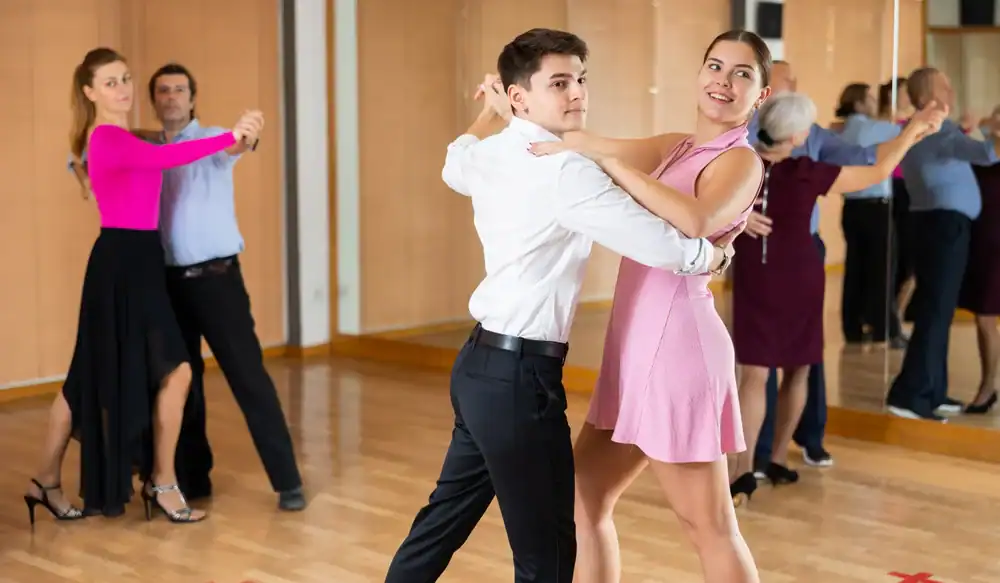
Waltz and tango are both ballroom staples, but they feel completely different to learn and to dance. Waltz has a flowing, three-beat rhythm that most people find intuitive fairly quickly. The rise and fall of the movement is graceful and consistent, and the basic pattern — once you have it — gives you a reliable foundation to build on. For couples who want to dance at a formal event and feel polished without a steep learning curve, waltz is often the easier starting point.
Tango is more complex in feel, even if the footwork at the beginner level isn’t dramatically harder. It’s a walking dance at its core — Argentine Tango in particular has no fixed basic step, which sounds intimidating but actually means there’s less memorization involved than people expect. What tango demands more than footwork is presence. You have to be in the music, attentive to your partner, and willing to slow down. That’s a different kind of challenge than learning a waltz box step.
For beginners across Suffolk County who are trying to decide between the two, the question worth asking is: what do you want to feel when you’re dancing? If the answer is graceful and sweeping, waltz is probably your entry point. If the answer is connected, musical, and a little dramatic, tango is worth the slightly steeper initial curve. Both are genuinely accessible for adults of any age and fitness level — the research on tango’s health benefits for people over 40 includes documented improvements in cardiovascular fitness and balance.
What we find at our Patchogue studio is that many students who start with one end up exploring the other within a few months. The skills transfer in meaningful ways. A waltz student develops posture and frame that makes tango easier. A tango student develops sensitivity to a partner that makes waltz more musical. Starting with either one is a good decision — the important thing is starting.
The reason you want to learn matters a lot when choosing between tango, salsa, waltz, and bachata — and it matters even more when deciding between couples and solo instruction.
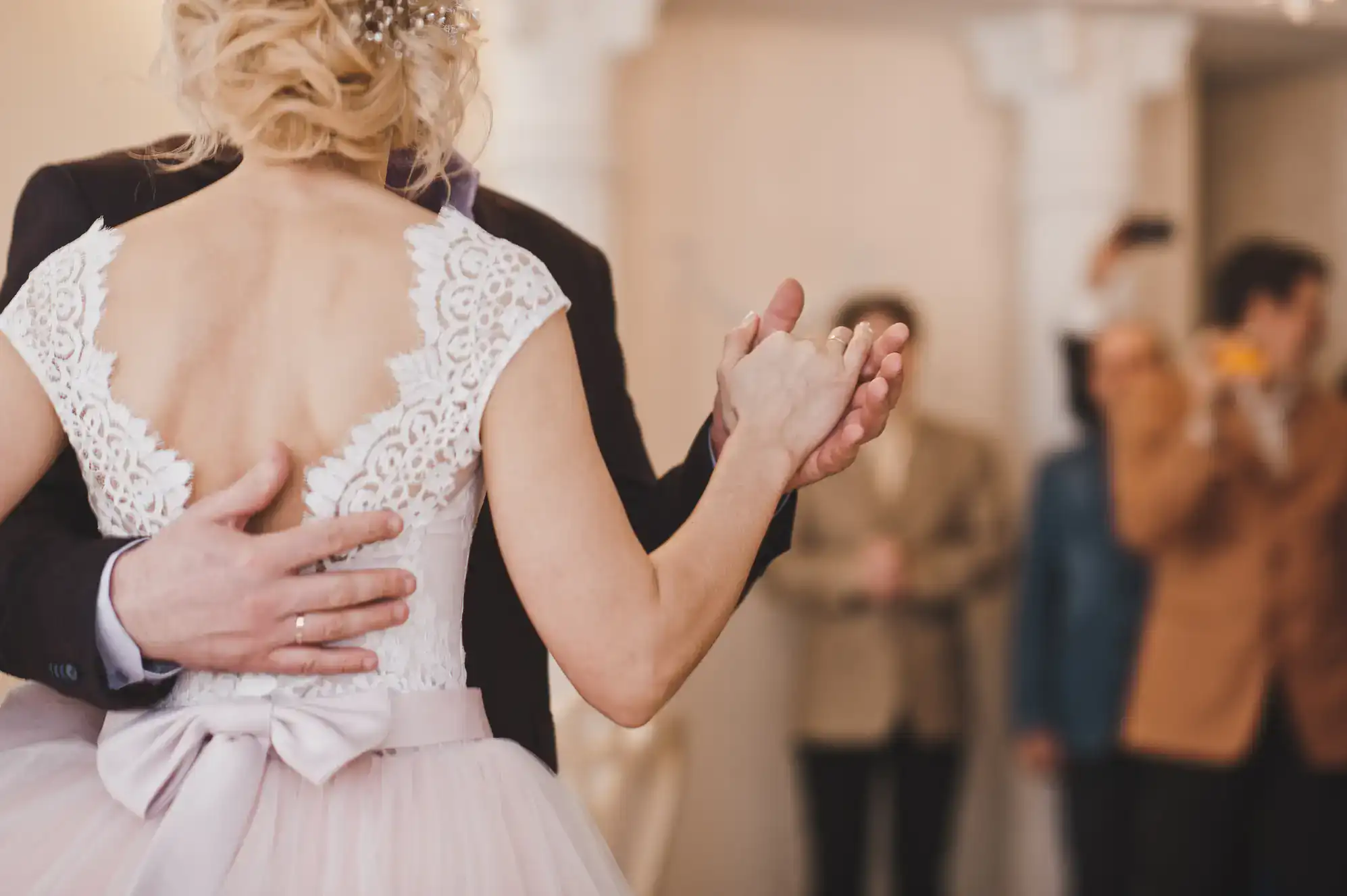
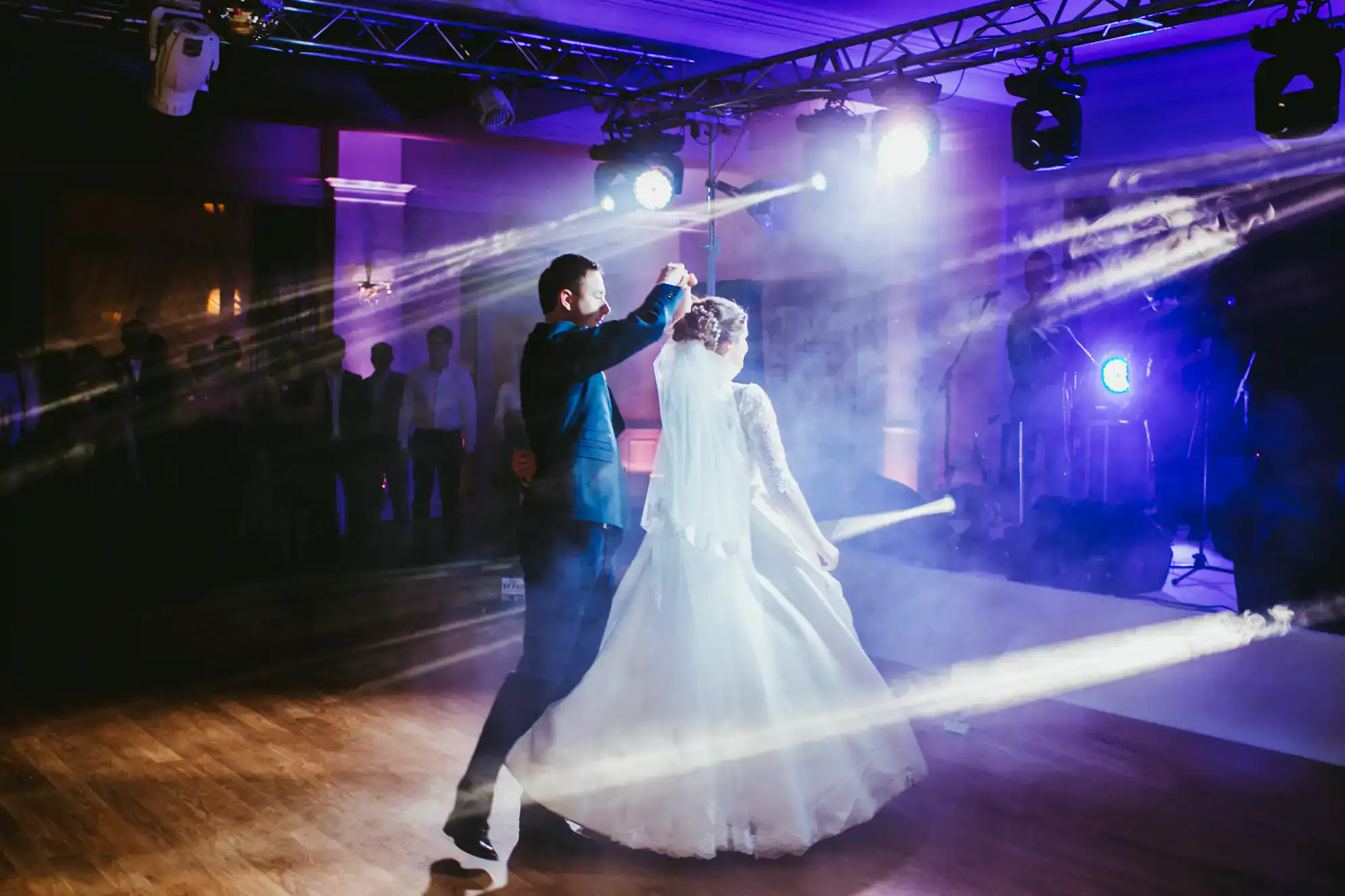
If you’re preparing a first wedding dance, couples lessons are almost always the right call, and sooner is better than later. Most couples who want a full, choreographed routine need somewhere between 10 and 20 private lessons to feel truly confident. If your goal is simply to get through the song without freezing, four or five sessions with an experienced instructor can get you there. The custom choreography is built around your song, your comfort level, and how much you want to perform versus simply sway gracefully — and that process works best when both partners are in the room together from the start.
For date nights and social dancing, the calculus is different. If you want something you can use at a salsa night in Bay Shore or a Latin event in Patchogue, couples salsa classes give you a shared vocabulary on the floor. You’ll both know the patterns, you’ll both understand the lead-and-follow dynamic, and you’ll actually be able to use what you learned the same night you go out. Bachata is worth considering here too — it’s more accessible than salsa for many beginners, the music is everywhere right now, and the close-contact style of the dance makes it a natural fit for couples who want something that feels genuinely romantic without the formality of tango.
If your goal is more personal — fitness, mental engagement, a new community, or simply something to look forward to after a long commute from the city — solo lessons give you the most flexibility and the fastest individual progress. You’re not waiting on anyone else’s schedule or energy level. You show up, you work, and the results compound quickly with consistent private instruction.
We teach all of these styles at our studio on Waverly Ave in Patchogue, and we serve students from across Suffolk County — from Smithtown and Commack in the west to Sayville, East Islip, and Patchogue along the south shore, and out toward Port Jefferson and Stony Brook to the north. The lesson format and the style you start with will depend on your goals, and that’s a conversation worth having before you book anything. There’s no wrong answer — just the one that fits where you are right now.
Here’s the simplified version: if you have a specific event coming up and a willing partner, start together. If your schedules don’t align, if your partner isn’t ready, or if you just want to find out whether you actually enjoy this before bringing someone else into it, start solo. Either path leads to the same place — you’ll be dancing, you’ll be building something real, and the option to shift formats is always open.
The dance style question follows the same logic. Tango if you want depth and connection. Salsa or bachata if you want energy and social utility. Waltz if you want elegance and a gentler learning curve. All of them are worth learning, and none of them require any prior experience to begin.
If you’re in Suffolk County trying to figure out your next step, we’re worth a conversation. Our instructors have worked with complete beginners, nervous couples, solo students with no partner in sight, and everyone in between — and the environment is genuinely welcoming in a way that’s easy to say and harder to fake. Reach out and ask your questions. That’s the easiest first move.
Summary:
Article details:
Share: