Thinking about adult dance classes but not sure where to start? Here's what actually happens when you walk through the door for the first time.
Here’s the thing nobody tells you about adult dance classes: most people who sign up have never danced a day in their lives. They’re not secretly graceful. They don’t have a background in ballet or ballroom. They just decided, at some point, that they were tired of sitting out.
If you’ve been thinking about learning to dance — for a wedding, for a date night, for yourself — but haven’t pulled the trigger because you’re not sure what walking in looks like, this is for you. We’ll cover what to expect, what styles make sense for beginners, and why the intimidation you’re imagining is almost always bigger than the reality.
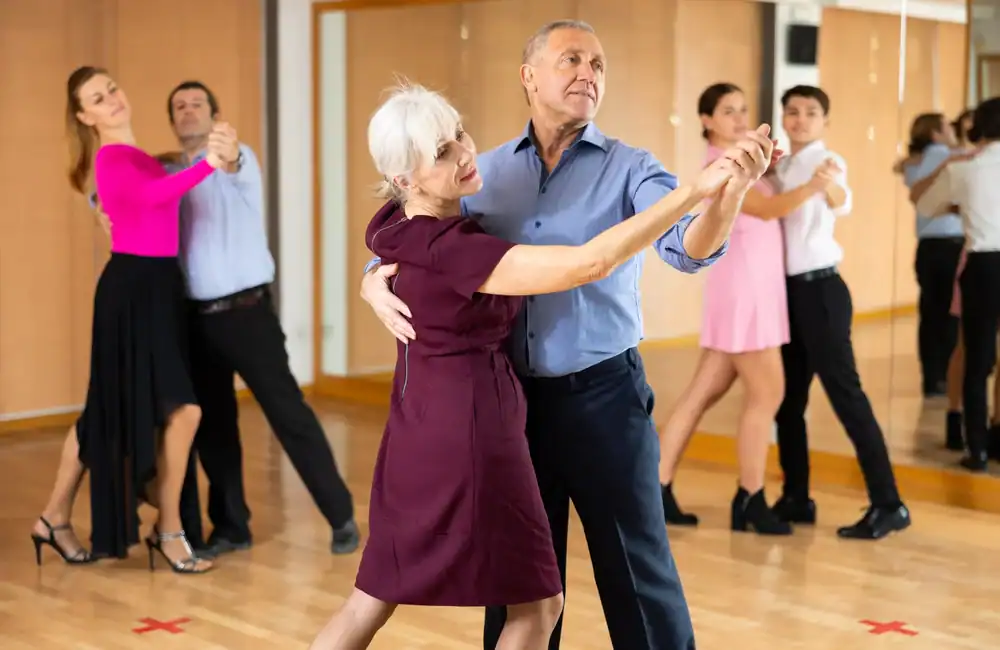
The mental image most adults have of a dance class — rows of people who already know what they’re doing, an instructor calling out steps while you stumble in the back — isn’t what we do here. At Ballroom Factory Dance Studio, your first lesson is one-on-one. Just you and an instructor, working at your pace, on what you actually want to learn.
There’s no audience. No one watching you figure out your left foot from your right. No keeping up with a class that started three months before you. The whole point of private instruction is that it moves as fast or as slowly as you need it to, and our job is to make you feel capable — not to run through a curriculum on a schedule.
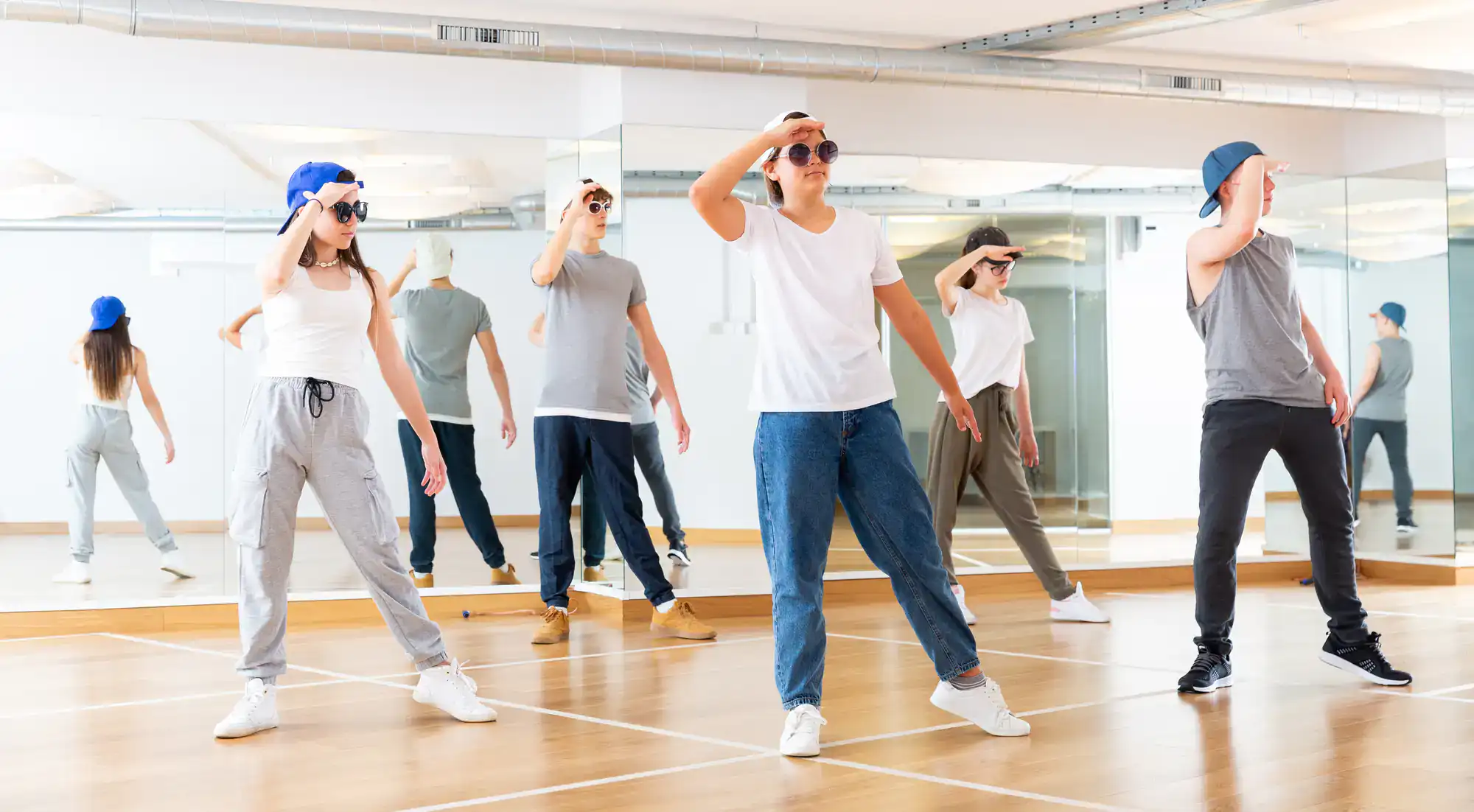
No. And that’s not just something we say to get you in the door — it’s genuinely the starting point for most of the adults who come to us.
One of the most common things we hear from new students is some version of: “I’ve never danced in my life.” Sometimes it’s said with a laugh. Sometimes with a little embarrassment. Either way, it’s not the obstacle people think it is. Rhythm and coordination are learnable skills. They’re not things you either have or don’t have. We can work with any starting point — and we’ve seen every version of “I have no idea what I’m doing.”
What matters more than experience is what you’re hoping to get out of it. Are you preparing for a wedding first dance and want to feel confident in front of your guests? Are you looking for something social to do on weekday evenings in Patchogue? Do you want to be able to hold your own on a dance floor at a party without freezing up? Those are all valid reasons to start, and they each lead to a slightly different approach in how we structure your lessons.
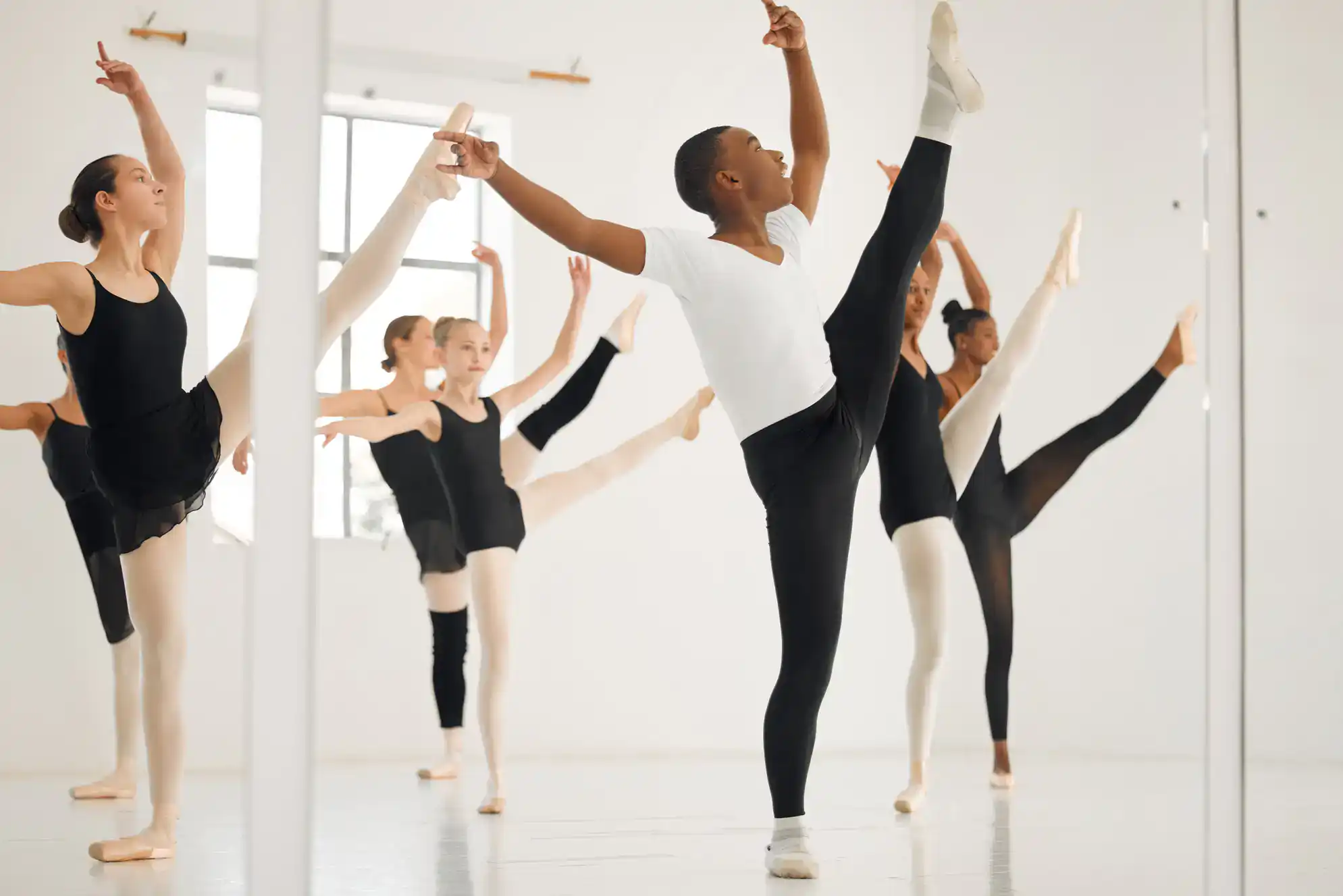
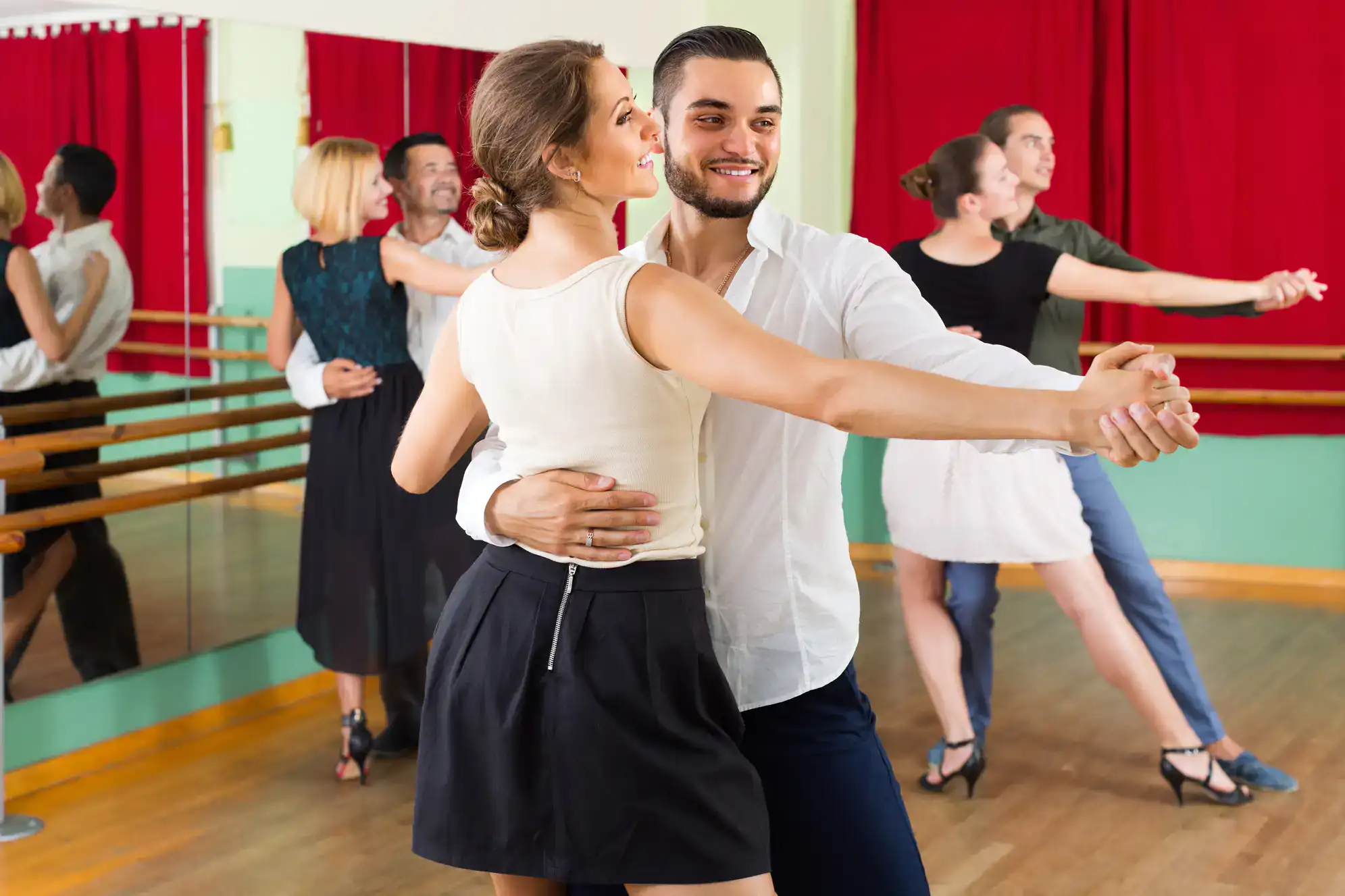
We teach over fourteen styles — Waltz, Tango, Foxtrot, Salsa, Cha-Cha, Rumba, Bachata, Merengue, Swing, Hustle, and more. That breadth exists because different goals call for different dances. Someone preparing for a black-tie wedding might lean toward Waltz or Foxtrot. Someone who wants to feel at home at a Latin night in the city might start with Salsa or Bachata. We figure that out with you, not for you.
The first lesson isn’t a test. It’s a conversation that happens to involve movement.
Both formats have real value, and they serve slightly different purposes.
Private lessons are the faster path to actual skill. When it’s just you and an instructor, every correction, every adjustment, and every piece of feedback is directed at exactly what you’re doing — not averaged across a room of fifteen people at different levels. If you tend to learn by doing, if you’re self-conscious about making mistakes in front of others, or if you have a specific goal with a deadline, private instruction is almost always the better starting point.
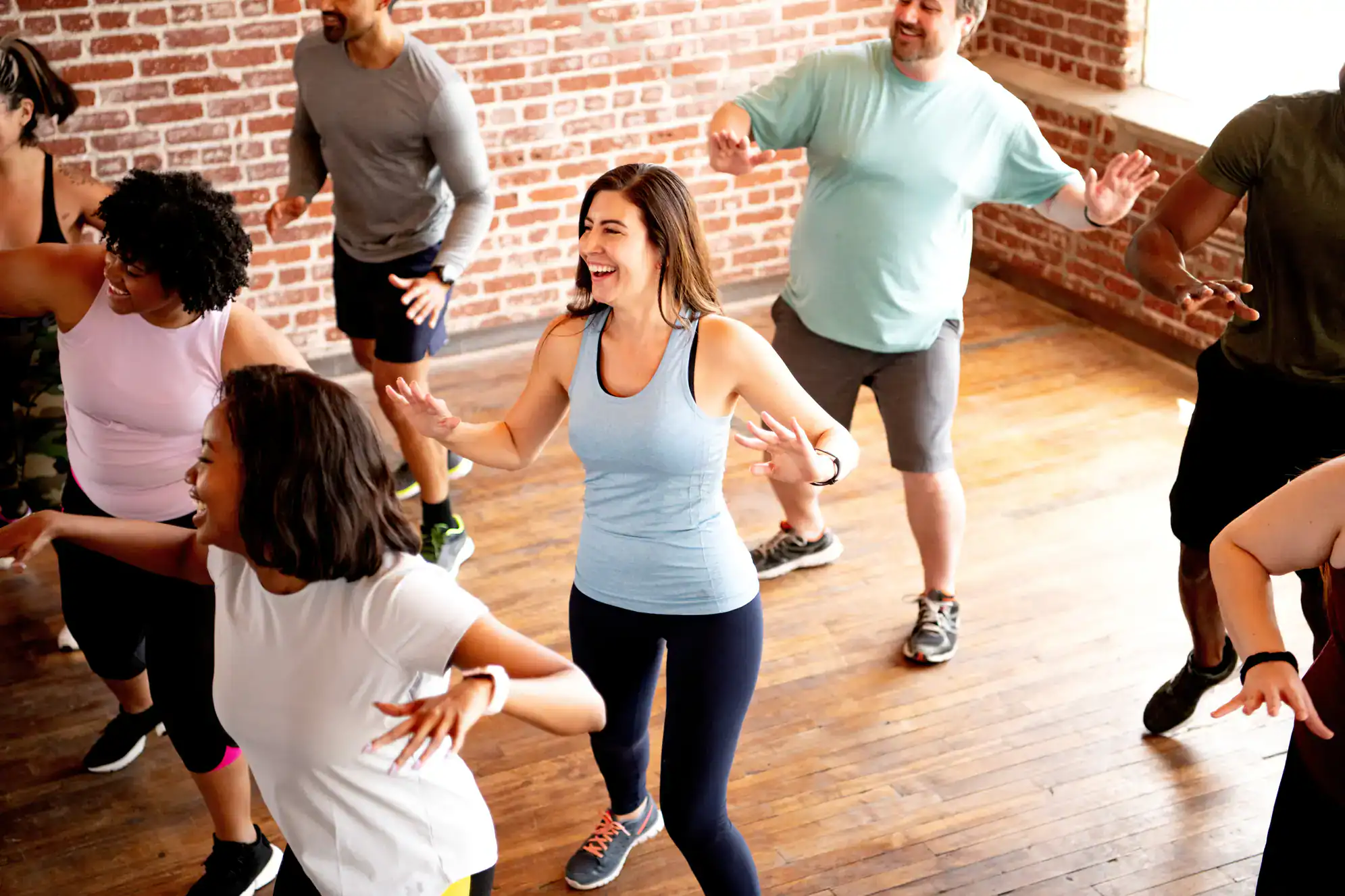
Group classes are where the social side of dancing comes alive. You’re moving with other people, getting used to the energy of a room, and building the kind of easy familiarity with the steps that makes social dancing feel natural rather than mechanical. Our Friday evening practice sessions are a good example of this — they’re not structured classes, but they’re where students come to put what they’ve been learning to use, with other people, in a low-stakes setting.
For most beginners, starting with private lessons and then adding group classes or practice nights over time is the approach that builds real confidence fastest. You develop the foundation privately, then you get to enjoy it socially.
One thing worth addressing directly: you do not need to bring a partner. We get this question often, and the answer is simply no. Solo adults take lessons here regularly. The assumption that ballroom or Latin dance requires a pre-existing partner is one of the things that keeps people from ever calling — and it’s not accurate.
Want live answers?
Connect with a Ballroom Factory Dance Studio expert for fast, friendly support.
There’s no shortage of dance content online. YouTube tutorials, streaming platforms, app-based programs — you can find instruction for almost any style from your living room. But there’s a reason people who actually want to learn to dance in a way that sticks tend to end up in a studio.
In-person instruction catches things video can’t. Your posture, your timing, the way your weight shifts between steps — these are things an instructor can see and correct in real time. A video can show you what a movement looks like. It can’t tell you that your shoulders are tense or that you’re leading with the wrong part of your foot.
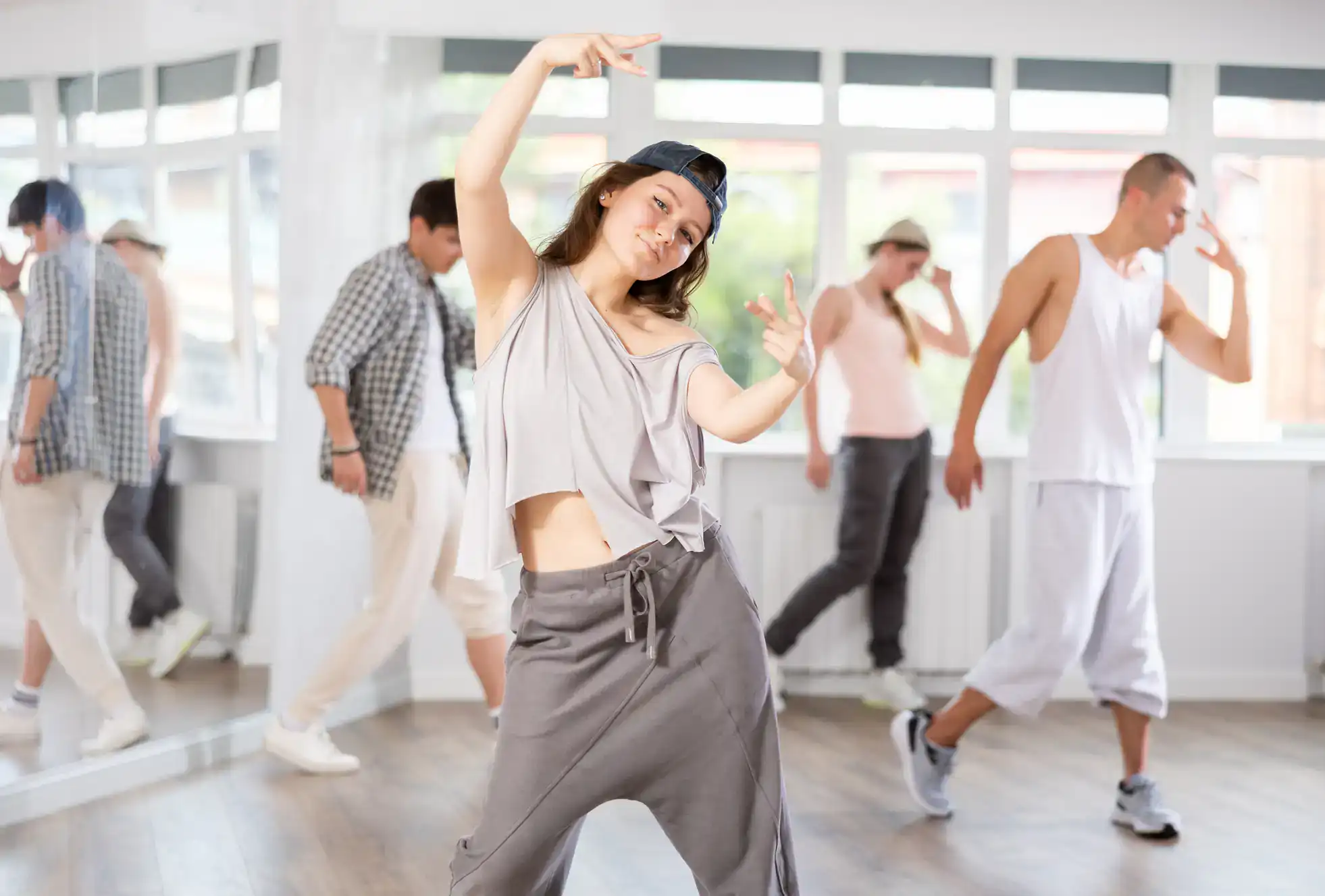
We’re based at 620 Waverly Ave in Patchogue — centrally located on the south shore, accessible off Sunrise Highway, and on the LIRR Montauk Branch for anyone who prefers to take the train. Suffolk County is a big place. From the Nassau border to the East End, you’re talking about a long stretch of towns, and not every part of it has easy access to quality dance instruction.
That location matters because consistency matters. The students who make the most progress are the ones who show up regularly, and that’s easier to do when the studio isn’t an hour out of your way. Our weekday hours run from 2:00 PM to 9:30 PM Monday through Friday, which means there’s real availability for people who work during the day and need an after-work option.
Beyond logistics, what makes a studio worth committing to is the environment. We know your name. We remember where you left off last week. We genuinely care whether you’re improving. That’s not something you can replicate with a drop-in fitness class or an app. It’s the kind of thing that keeps people coming back, and it’s the reason students describe their time here in terms that go well beyond “I learned some steps.”
One student, after two years at another Long Island studio, described finding us as finally landing somewhere with a “warm, friendly, professional, and welcoming environment.” The culture of a studio is either there or it isn’t, and it shows up in the details: how the front door feels when you walk in, whether the instructor is watching the clock, whether you leave feeling better or worse about yourself than when you arrived.
If you’re past the point of wanting high-impact fitness classes but still want to move, stay sharp, and have somewhere to be on a regular basis, dance instruction is one of the better options available. A 2025 meta-analysis published in Frontiers in Psychology confirmed that dance reduces depression and anxiety, improves overall well-being, and enhances cognition. A separate review published in Mental Health Science found that private ballroom dance lessons specifically were associated with significant improvements in depression in older adults.
Long Island’s suburban geography can make social connection harder to maintain as people get older — there’s less of the built-in community that comes from walkable neighborhoods or regular transit. A studio with a consistent schedule and a real community around it fills that gap in a way that’s hard to replicate.
We work with students across a wide age range, and we adjust the pace and intensity of instruction accordingly. There’s no version of “too old to start.” We’ve had students come in well into their fifties and sixties with zero background in dance and leave with something they genuinely look forward to each week. The goal isn’t to turn anyone into a competitor — unless that’s what you want. The goal is to make you feel capable and confident on a dance floor, whatever that looks like for you.
The biggest barrier to taking adult dance classes isn’t scheduling or cost or finding a partner. It’s the story people tell themselves about whether they’re the kind of person who can do this. Most of the time, that story isn’t accurate.
If you’ve been thinking about it — for a wedding, for a night out, for something that’s just yours — the best thing you can do is make one call and ask a question. You don’t have to commit to anything. You don’t have to show up knowing anything. You just have to be willing to find out what it actually feels like, rather than imagining the worst version of it.
Ballroom Factory Dance Studio is located in Patchogue, in the heart of Suffolk County, and we’re here Monday through Friday. Reach out, ask what you’re wondering about, and go from there.
Summary:
Article details:
Share: